What is the Best Sliding Glass Windows for Your Home?
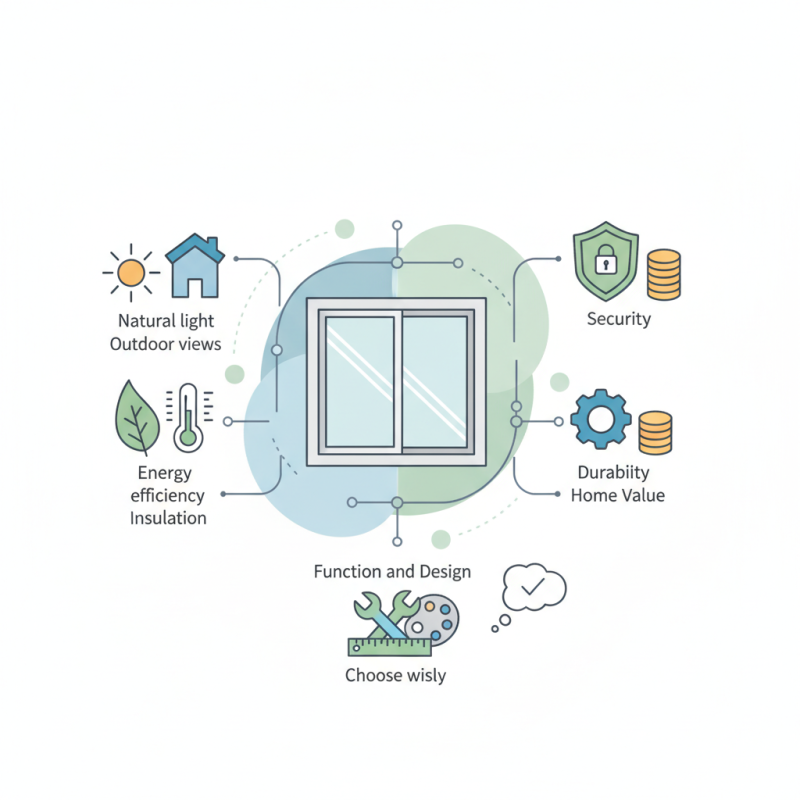
Choosing the right Sliding Glass Windows can transform your home. These windows invite natural light and enhance outdoor views. They blend function and design, creating a modern aesthetic.
Quality sliding glass windows are essential for energy efficiency and security. Poor choices may lead to leaks or drafts. Investing in high-quality materials ensures durability and longevity. Look for brands with solid warranties and positive reviews.
Consider factors like style, frame material, and insulation. Each detail impacts the overall performance. While it’s tempting to focus only on appearance, functionality should drive your decision. Think about the long-term benefits and the impact on your living space. The right sliding glass windows will elevate your home’s value and comfort, making it feel more inviting.
Understanding Different Types of Sliding Glass Windows Available on the Market
Sliding glass windows are a popular choice for many homeowners. They offer a modern look and can enhance natural light in your space. Understanding the different types available is essential for making an informed decision.
One common option is the standard sliding window. These operate by sliding open horizontally, providing easy access to fresh air. There are also double sliding designs, where both panes move. This can improve ventilation significantly. On the other hand, multi-slide windows can open in different configurations. They can create a seamless transition between indoor and outdoor spaces.
Tips: Choose windows with low-E glass for better insulation. Also, consider the frame material. Vinyl frames are durable and low-maintenance, while aluminum can be sleek and modern.
Another option is the stacking sliding glass door. This type can be more flexible, allowing panels to be stacked aside instead of just sliding. This maximizes your view and space. Be aware of installation costs, as quality matters. Poor installation can lead to drafts and water leaks. Always seek professional help if you’re uncertain about the process.
Key Features to Consider When Choosing Sliding Glass Windows for Your Home
When choosing sliding glass windows for your home, key features are essential. Durability is a primary concern. Aluminum frames, while strong, can corrode over time. Vinyl frames are generally more durable and require less maintenance. According to industry reports, vinyl frames can last up to 50 years with proper care.
Energy efficiency is another critical factor. Look for windows with a low U-factor. Low-E glass can reduce energy costs. This type of glass reflects heat in summer and retains it in winter. Many studies show that homes with energy-efficient windows save up to 30% on heating and cooling bills.
Consider security features as well. Strong locks and shatter-resistant glass help protect your home. Many homeowners overlook window security. That's a mistake because sliding glass windows can be vulnerable.
Tips: Always check the warranty period. A longer warranty often indicates better quality. Regular maintenance can help extend the lifespan of your windows. Even small issues should be addressed quickly. Neglect can lead to bigger repairs later.
Energy Efficiency Ratings: How They Impact Your Sliding Glass Window Choice
When choosing sliding glass windows, energy efficiency ratings are crucial. These ratings reflect how well windows can insulate your home and reduce energy costs. A higher rating often indicates better insulation, keeping your home cooler in summer and warmer in winter.
Understand the factors influencing these ratings. Look for the U-factor, which measures heat transfer. Lower numbers mean better performance. The Solar Heat Gain Coefficient (SHGC) is also important. It tells you how much solar heat enters your home. Balancing these factors can be tricky but is essential for optimal comfort.
However, not everyone needs the highest-rated windows. Location and climate play a role in this decision. Perhaps you've experienced drafts or heavy sun exposure before. Assessing your specific needs helps narrow down choices. Take time to review your options based on these ratings. Consider energy-efficient windows as long-term investments in your home.
Comparative Costs of Sliding Glass Windows: Budgeting for Quality and Durability
Sliding glass windows are popular for their aesthetic appeal and energy efficiency. When budgeting for these windows, several factors come into play. According to the National Association of Home Builders (NAHB), quality sliding glass windows can range from $300 to $1,000 per unit, depending on materials used and size. Vinyl is often the most budget-friendly option, while wood offers better insulation but at a higher cost.
Durability is a crucial aspect to consider. A report by the American Architectural Manufacturers Association (AAMA) states that well-maintained sliding windows can last 20 years or more. However, lower-cost options may require frequent repairs, leading to higher long-term costs. Proper installation also plays a significant role; poor installation can negatively impact the window's lifespan and energy efficiency.
When assessing costs, remember to factor in additional expenses like installation and maintenance. Even high-quality windows need regular upkeep to maintain their performance. Balancing upfront costs with long-term value is essential for homeowners. Understanding the specific needs of your home can guide you toward your best choice.
What is the Best Sliding Glass Windows for Your Home? - Comparative Costs of Sliding Glass Windows: Budgeting for Quality and Durability
| Window Type | Material | Energy Efficiency Rating | Price Range (per window) | Durability (Years) |
| Vinyl Sliding Windows | Vinyl | Low-E, U-value: 0.30 | $300 - $600 | 20 - 30 |
| Aluminum Sliding Windows | Aluminum | Medium, U-value: 0.45 | $200 - $500 | 20 - 25 |
| Wood Sliding Windows | Wood | High, U-value: 0.25 | $500 - $1000 | 15 - 20 |
| Fiberglass Sliding Windows | Fiberglass | Very High, U-value: 0.22 | $600 - $1200 | 30 - 50 |
Installation and Maintenance Tips for Long-lasting Sliding Glass Windows
Sliding glass windows are a popular choice for many homeowners. Their ability to provide ample natural light and unobstructed views enhances any room. However, ensuring their longevity requires proper installation and maintenance. According to the American Society of Home Inspectors, nearly 30% of window issues stem from faulty installation. This underscores the importance of hiring qualified professionals who understand the nuances of sliding glass window setups.
Once installed, regular maintenance is essential. Clean the tracks and frames frequently to avoid buildup of dirt and debris. A study by the National Association of Home Builders shows that failing to maintain windows can reduce their lifespan by up to 40%. Lubricating moving parts with silicone oil can prevent sticking and ensure smooth operation. Use a soft cloth and avoid abrasive materials, as these can scratch the glass.
While many focus solely on aesthetics, neglecting maintenance can lead to significant issues. Check for leaks or drafts. This can indicate seal failure or damage, which should be addressed immediately. Taking proactive steps can save homeowners from costly repairs down the line. Consider the cost of ignoring these issues—up to 25% of heating and cooling can escape through poorly maintained windows. Regular inspections and care make a noticeable difference in comfort and efficiency.