Best Window Estimate Tips for 2026 Home Projects?
As homeowners embark on 2026 projects, securing accurate window estimates becomes essential. Many overlook the complexities of obtaining a reliable window estimate. It requires careful consideration of various factors. This task might seem straightforward, but it often involves unexpected challenges.
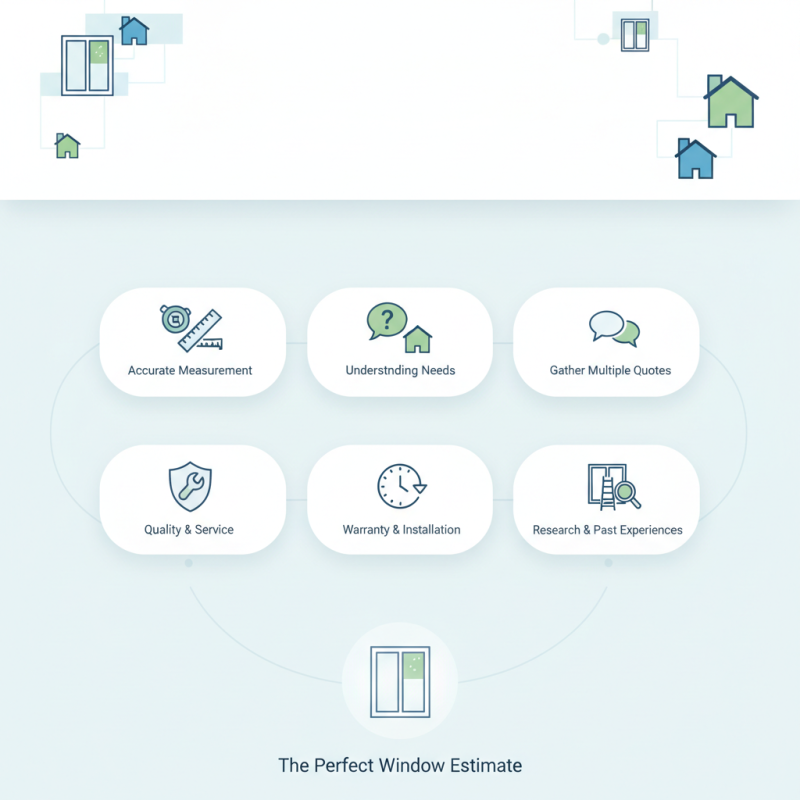
Understanding your needs is crucial. Each home is unique, and the same window might not suit every space. Different styles and materials can greatly affect the estimate. Ensure you measure accurately. A simple miscalculation can lead to increased costs and delays.
While hunting for the best estimates, don’t just settle for the cheapest option. Quality and service matters too. Ask for details about warranty and installation. Reflect on past experiences, both good and bad, to guide your decision-making. Gathering multiple quotes may reveal discrepancies and hidden costs. In the quest for the perfect window estimate, the journey can be as important as the destination.
Understanding the Importance of Accurate Window Estimates for Home Projects
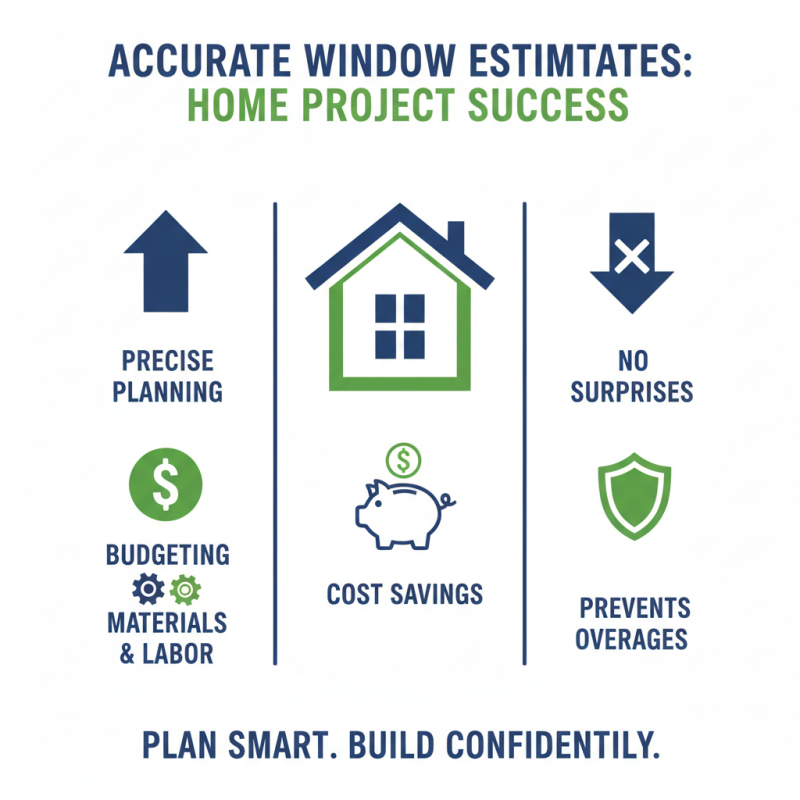
Accurate window estimates are crucial for home projects. Homeowners often underestimate the importance of this initial step. A precise estimate helps in budgeting and prevents unexpected costs. When you have exact figures, you can plan better for materials and labor.
Rushing through the estimation process can lead to mistakes. You might overlook the size of the window openings. Different styles and materials can also affect pricing. It’s essential to list all details. Measure widths and heights accurately. Factor in installation complexity too. These elements can significantly affect the final price.
Sometimes, homeowners rely on generic estimates found online. This can be misleading, as every home is unique. A local contractor might provide a more tailored approach. Engaging with professionals is often a step worth taking. Engage in discussions to clarify your needs and expectations. Having open communication can minimize future headaches. Remember, a little extra time spent on estimates can yield big rewards for your project.
Key Factors Influencing Window Cost Estimates in 2026
When planning window installations in 2026, several key factors will affect cost estimates. Material choice is crucial. Vinyl windows are typically cheaper than wood or fiberglass alternatives. According to the National Association of Home Builders, vinyl can save homeowners up to 30% on window costs. However, those savings could compromise aesthetics and performance.
Labor costs are rising, influenced by a shortage of skilled workers. The Bureau of Labor Statistics reports a 15% increase in labor costs since 2020. Projects may take longer to complete, so budgets need flexibility. Additionally, local regulations may influence installation prices. Homeowners in areas with strict building codes might face added expenses for compliance.
Energy efficiency standards are also evolving. The Department of Energy suggests that energy-efficient windows can greatly reduce heating and cooling costs. The initial investment might be higher, but energy savings could outweigh costs over time. It's crucial to balance upfront spending with long-term benefits. Anticipating these factors wisely will lead to better budgeting for your home projects in 2026.
Best Window Estimate Tips for 2026 Home Projects
| Window Type |
Estimated Cost ($) |
Energy Efficiency Rating |
Material |
Installation Complexity |
| Double-Hung |
250 |
A |
Vinyl |
Moderate |
| Casement |
350 |
A+ |
Wood |
High |
| Sliding |
300 |
B |
Aluminum |
Low |
| Picture |
400 |
A++ |
Fiberglass |
Moderate |
| Bay |
600 |
A |
Wood |
High |
How to Gather Quotes from Multiple Window Contractors Effectively
Gathering quotes from multiple window contractors can be a daunting task. Start by defining your project clearly. Know your budget and what styles you want. Measure your windows accurately. You don’t want contractors guessing your needs. This saves time and avoids confusion.
Reach out to several contractors for initial discussions. Share the project's scope with them. Be specific about materials and aesthetics. Request detailed estimates. Look for transparency in pricing. Ask them about their timelines and availability. It is essential to compare both pricing and service quality. Take notes during each conversation.
After receiving the quotes, analyze them carefully. Check if all estimates include similar materials and labor. Be wary of unusually low bids; they may hide extra costs. Sometimes, the cheapest option might not provide the best service. It’s worth reflecting on past experiences with contractors. Prioritize quality over saving a few dollars. Selecting the right contractor can have lasting effects on your home's aesthetic and energy efficiency.
Comparing Energy Efficiency Ratings in Window Estimates
When looking at window estimates, energy efficiency ratings are crucial. Understanding these ratings helps homeowners reduce energy bills. However, many people often overlook the impact of window choices on their energy consumption. A well-insulated window can significantly lower heating and cooling costs. So, what should you look for in these estimates?
Check the U-factor of the windows in your estimates. This number indicates how well a window prevents heat from escaping. Lower U-factors mean better insulation. Look for this detail in your documentation. It’s easy to forget that the aesthetic aspect can distract from real efficiency. A pretty window isn’t always the best performer.
Keep an eye on the Solar Heat Gain Coefficient (SHGC). This measures how much heat enters through the window. A lower SHGC is often preferable in hotter climates. Yet, if you live in a colder area, you might need more solar gain. These different needs can complicate decisions. It takes time to weigh aesthetics, cooling load, and heating needs. Be prepared to revise your choices. Every window plays a role in your home's energy landscape.
Tips for Evaluating Additional Costs Beyond Window Prices
Evaluating window replacement projects involves more than just understanding the base price. Often overlooked are the additional costs that can significantly impact your budget. According to the National Association of Home Builders (NAHB), homeowners typically face unexpected expenses that can average 15% additional cost beyond the initial estimates. This includes labor, permits, and unexpected repairs.
Assessing the condition of your existing window frames is crucial. If frames are warped or rotting, replacement costs can increase. A study by the American Institute of Architects (AIA) suggests that proper assessment can lead to savings, as fixing a frame could cost around $80–$150, compared to full replacements costing over $500 per window. Pay attention to the long-term implications of these repairs, as poor decision-making can lead to higher expenses later.
Consider energy efficiency as well. Higher quality windows may cost more upfront but can save on energy bills. Energy Star estimates that homeowners can save up to $500 annually with energy-efficient windows. If only focusing on the window price, the long-term savings may be overlooked. It's vital to balance immediate costs with potential future savings when evaluating project expenses.
Best Window Estimate Tips for 2026 Home Projects
The bar chart above illustrates the estimated costs associated with window projects for 2026. Understanding these various components, such as the base window price, installation costs, additional materials, permitting fees, and energy efficiency upgrades, can help homeowners effectively budget for their home projects.