How to Calculate the Cost of Windows for Your Home?
Calculating the cost of windows for your home can feel overwhelming. Many homeowners underestimate this expense. However, understanding the factors at play can lead to better decisions.
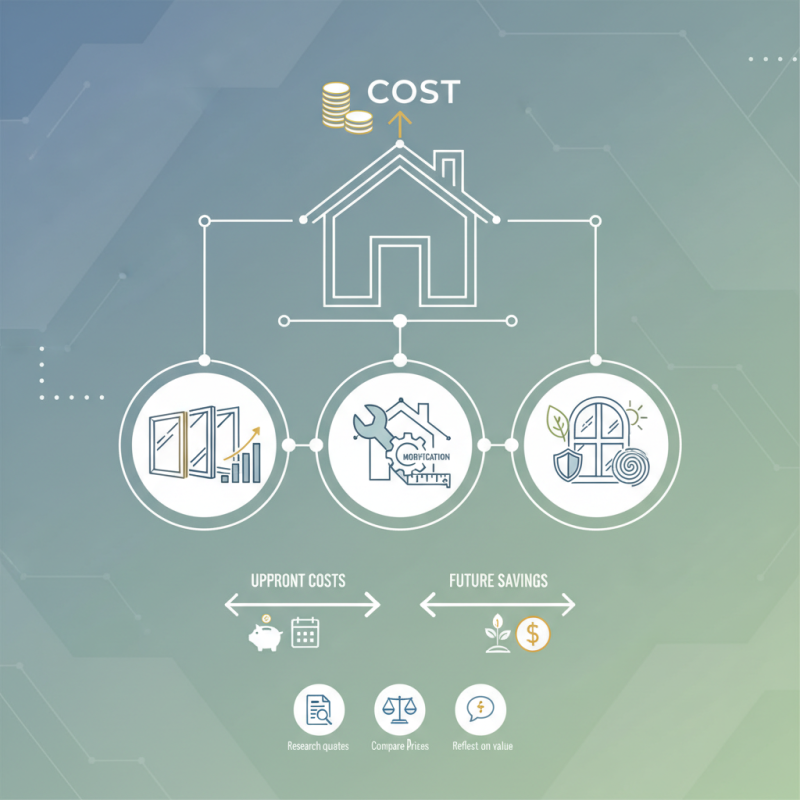
The cost of windows involves several key elements. First, the type of windows you choose significantly affects the price. Options range from standard single-pane models to energy-efficient double or triple-glazed windows. Each choice comes with a different cost attached. Installation costs can also vary. Factors include the size and complexity of the installation process. Did you know that some homes require special modifications? This could further increase the overall cost.
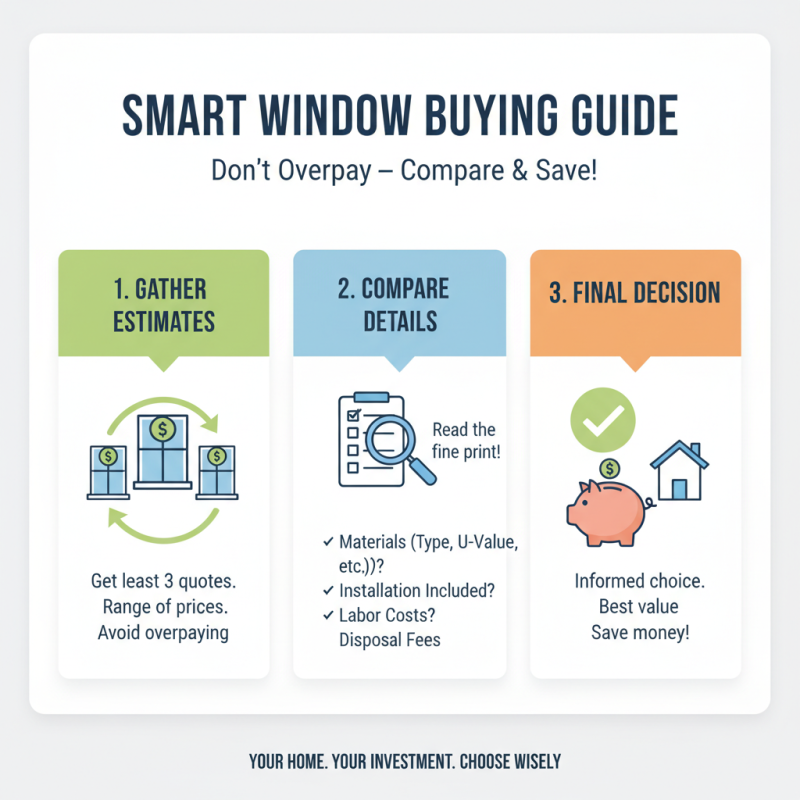
Moreover, additional features, like custom designs or energy-efficient coatings, will add to your costs. Remember that costs can escalate quickly. Therefore, it is essential to budget accordingly. Take time to gather quotes from multiple suppliers. Compare prices to avoid unexpected expenses. Reflect on your choices and their long-term value. Balancing upfront costs with future savings is crucial.
Understanding Different Types of Windows and Their Costs
Choosing the right windows for your home can be a daunting task. Various types of windows come with different features and costs, making it essential to understand what each offers. For example, double-hung windows provide excellent ventilation and are easy to clean. They typically range from $300 to $800 per window, which can strain a budget.
Casement windows offer a modern and sleek look. They are hinged on one side and open outward. This type usually costs between $400 and $1,000. Their energy efficiency is often touted, but installation can be tricky. It's worth mentioning that they may require more maintenance due to their moving parts.
Picture windows are fixed and offer stunning views but do not open. These can be less expensive, starting at about $200. However, their lack of functionality can be a downside if fresh air is a priority. When budgeting, consider installation costs and potential long-term savings on energy bills.
Cost Comparison of Different Types of Windows for Your Home
This chart illustrates the estimated average cost per square foot for various types of windows commonly used in residential homes. Understanding these costs can help homeowners make informed decisions when planning for window replacements or installations.
Assessing Your Home's Window Needs and Measurements
When assessing your home's window needs, the first step is measurement. Grab a tape measure and head to each window frame. Measure the height and width. Write down each measurement. It’s easy to lose track of numbers, so be precise. Round up if you notice any discrepancies. Overestimating a little can be helpful later.
Next, think about your home’s style and needs. Do you prefer energy-efficient options? Consider the climate in your area. A colder climate may need different windows than a warm one. Natural lighting is another factor. Large windows can brighten your space, but they might also increase heating costs in winter.
Lastly, don’t forget about the condition of your current windows. Are they drafty or damaged? Sometimes, the best option is replacement rather than repair. Reflect on the long-term costs of repairing versus replacing. This can guide you in making a well-informed decision. Remember, the goal is not just functional windows, but windows that suit your lifestyle and preferences.
How to Calculate the Cost of Windows for Your Home? - Assessing Your Home's Window Needs and Measurements
| Window Type |
Size (ft) |
Material |
Estimated Cost ($) |
Installation Cost ($) |
Total Cost ($) |
| Double-Hung |
3 x 5 |
Vinyl |
250 |
150 |
400 |
| Casement |
2 x 4 |
Aluminum |
300 |
100 |
400 |
| Sliding |
4 x 6 |
Wood |
400 |
200 |
600 |
| Awning |
2 x 3 |
Fiberglass |
280 |
120 |
400 |
| Picture |
5 x 5 |
Vinyl |
500 |
200 |
700 |
Calculating Material Costs for Window Installation
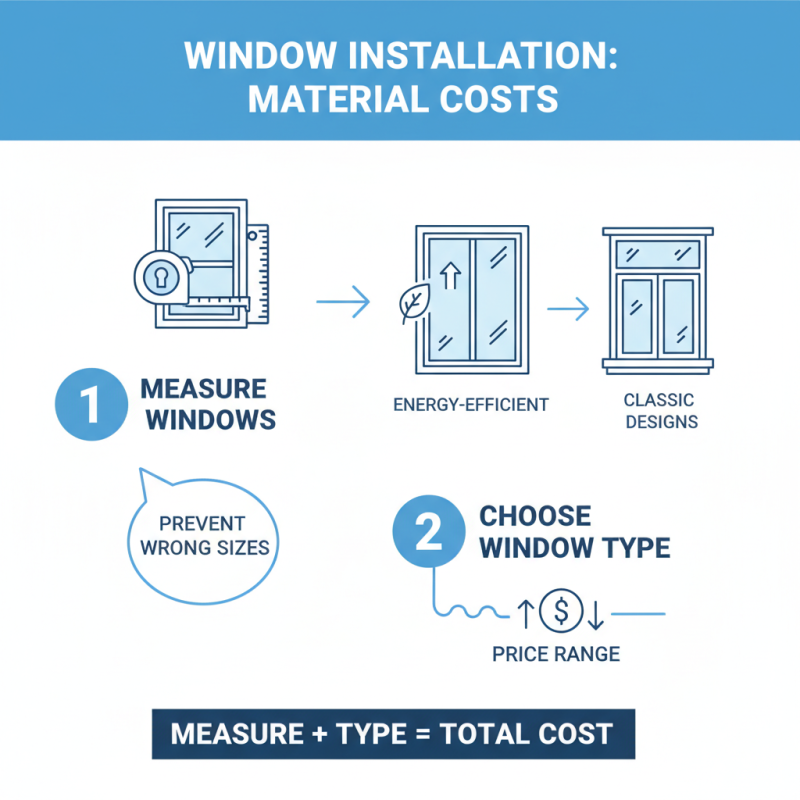
Calculating material costs for window installation is essential for any home renovation project. Start by measuring each window space carefully. This first step helps you avoid ordering the wrong size. Consider the type of windows you want. Options vary widely, from energy-efficient models to classic designs. Each type has a different price range, which impacts your total cost.
Next, look at the necessary materials. You’ll need frames, glass, and possibly shutters. The cost of these items adds up quickly. Don’t forget the installation supplies, such as nails and sealant. Poor quality materials can lead to issues later on. You might want to invest a little more for durability.
Labor costs should also be in your calculations. Hiring professionals can save time but comes with fees. Some may choose to install windows themselves. This approach can cut costs, yet mistakes could lead to greater expenses down the road. Reflect on your skill level before diving in. Taking shortcuts could affect the window’s longevity and performance.
Labor Costs: What to Consider When Hiring Professionals
When hiring professionals to install windows, labor costs are a crucial factor. Skilled labor is not cheap, but quality work matters. Expect to pay a fair wage for experienced installers. They bring expertise and efficiency, which can save you headaches later. If your windows are complex, specialized labor costs will rise.
When considering labor costs, always ask for estimates. Compare different contractors for transparency. Some may provide lower quotes but cut corners. Check for reviews and references to gauge their reliability. A low initial price may lead to higher expenses down the road due to mistakes or poor workmanship.
Don't forget additional costs. Permits and cleanup can add to your total. Sometimes, unexpected issues arise during installation, like structural repairs. Be ready for those surprises in your budget. Understanding the whole process helps prevent financial strain. Take your time in making these decisions.