China Top House Windows Styles and Trends for Your Home Decor?
In the realm of home decor, house windows play a crucial role in defining style and ambiance. They are more than mere openings; they serve as a bridge between the indoors and outdoors. Understanding the latest trends in house windows can transform any space.
Today, many homeowners in China are leaning towards minimalist designs. Large glass panels are becoming increasingly popular. These windows provide breathtaking views and flood rooms with natural light. Yet, not all designs are perfect. Some may overlook the importance of energy efficiency in their quest for aesthetics.
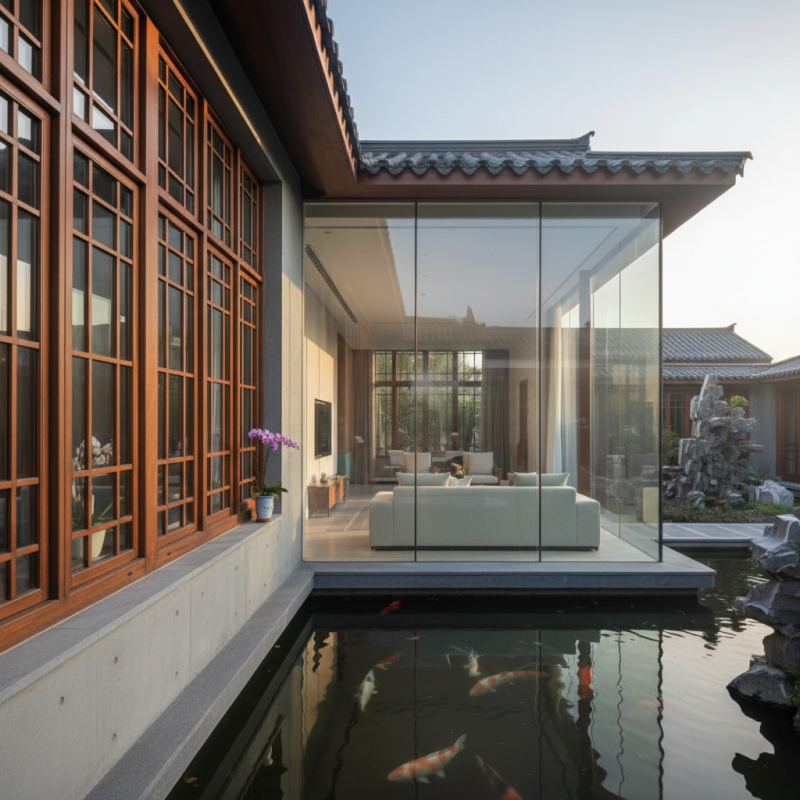
Another appealing trend is the use of traditional wooden frames. These add warmth and character to a home. However, maintaining wooden windows can be challenging. Homeowners must consider the balance between beauty and practicality. The right choice ensures functionality while enhancing overall decor. Embracing these trends can lead to a stylish and inviting home.
Top Traditional House Window Styles in China and Their Historical Significance
Traditional Chinese house windows showcase remarkable styles and rich historical significance. These windows were not merely functional; they conveyed cultural symbols and social statuses. For instance, the intricate lattices and wooden frames often featured floral patterns. These designs represented prosperity and harmony. Homeowners took pride in their windows as they expressed craftsmanship.
Historically, specific styles emerged based on regional influences. For instance, the Beijing-style windows, known for their grand size and bold designs, reflected imperial elegance. In contrast, southern styles leaned towards simplicity and natural integration. Each region's design choices reveal the climate, traditions, and values of the people living there.
However, modern trends sometimes overshadow these cultural gems. Many opt for minimalist styles, losing touch with historical significance. Reflecting on traditional styles can enhance our appreciation for art and history. Integrating old with new offers a unique home decor blend. Acknowledging their past can inspire future creations in window design.
China Top House Windows Styles and Trends
Modern Window Designs Gaining Popularity in Chinese Urban Homes
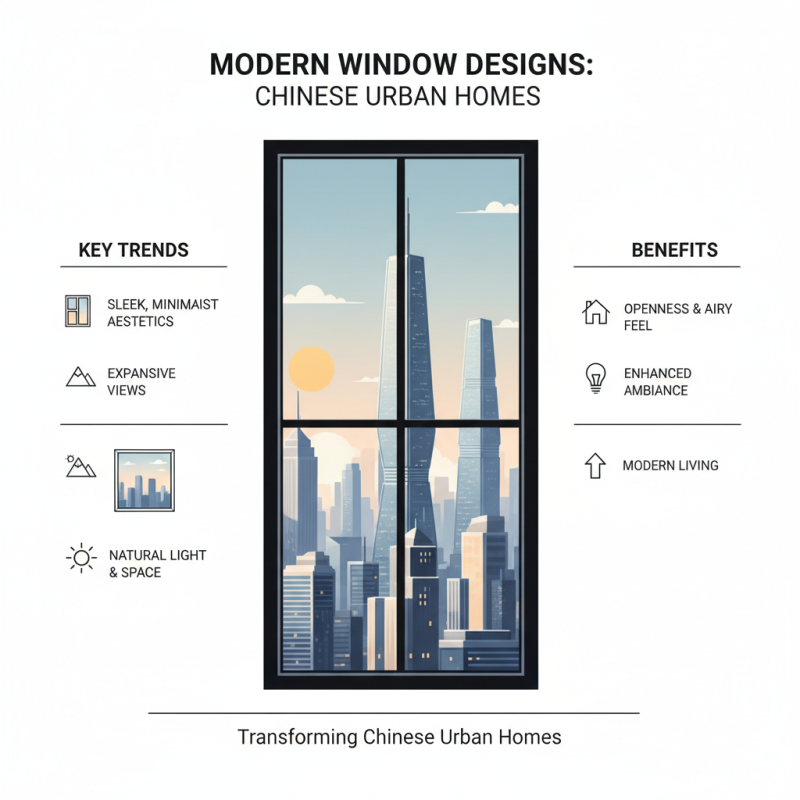
Modern window designs are transforming urban homes in China. Homeowners are increasingly drawn to sleek, minimalist aesthetics. Large glass panels provide stunning views and create a sense of openness. The play between natural light and space is essential. It enhances the overall atmosphere of a room.
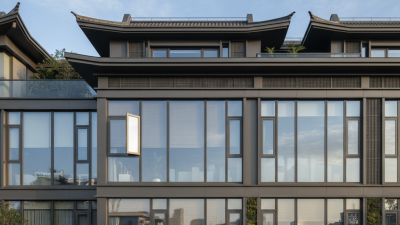
When choosing window styles, consider your home's architecture. Matching modern designs to traditional styles can create unique contrasts. Use window treatments to add depth and character. Curtains or blinds can soften sharp lines. Functional designs are also gaining favor. Dual-purpose windows, combining security and aesthetics, are popular choices.
Tips: Focus on energy efficiency. Select windows that offer insulation to save on energy bills. Always check for quality materials. They should withstand local weather conditions. Don't forget ventilation. Proper airflow is vital for maintaining indoor comfort. Remember, form and function must work together. Reflect on how your choices impact your living space.
Influence of Feng Shui on Window Styles in Chinese Architecture
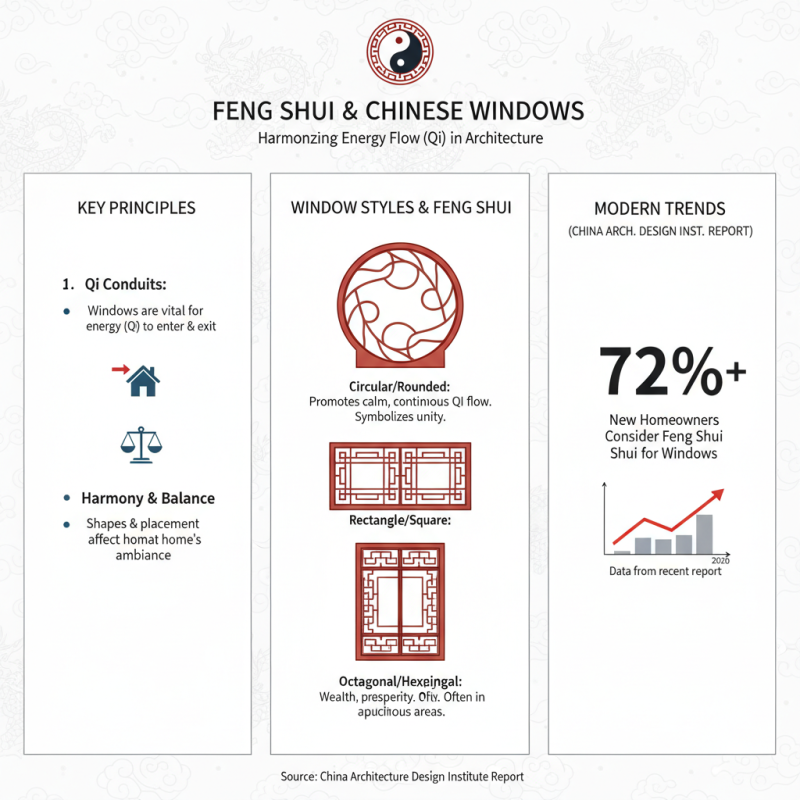
Feng Shui, the ancient Chinese philosophy of enhancing harmony, significantly influences window styles in Chinese architecture. Windows serve as vital conduits for energy flow, or "Qi," shaping the ambiance within a home. In a recent report by the China Architecture Design Institute, nearly 72% of new homeowners consider Feng Shui principles when selecting window designs.
Common styles often emphasize natural materials and symmetrical shapes. For instance, large, clear windows invite abundant light, aligning with positive energy flow. Nonetheless, there are challenges. Some homeowners grapple with balancing aesthetics and Feng Shui principles. Certain window placements might maximize light but contradict energy flow recommendations. This dissonance can lead to discomfort, impacting overall well-being.
In urban areas, tall buildings sometimes block natural light, making Feng Shui considerations complex. Window styles like sliding or casement windows can help adapt to these restrictions. However, keeping in mind visual harmony and energy flow is essential. While many homeowners seek modern designs, the challenge lies in incorporating traditional aspects of Feng Shui effectively, creating a home that feels both stylish and balanced.
Innovative Materials and Technologies in Contemporary Window Trends
Innovative materials and technologies play a crucial role in shaping contemporary window designs. Homeowners today seek energy-efficient windows. These windows reduce heat loss and improve insulation.
Double-glazing technology is becoming increasingly popular. It uses two panes of glass, trapping air in between for better thermal performance.
Another significant trend is the use of composite materials. Unlike traditional wood, composites resist warping and are more durable. This shift allows for sleek, modern designs while minimizing maintenance. Some opt for aluminum-clad windows. They combine the durability of aluminum outside with the warmth of wood inside.
Moreover, smart technologies are gradually being integrated into window systems. Automatic blinds and glass that tints based on sunlight levels are gaining traction. These innovations enhance comfort and control natural light. However, their reliance on technology can sometimes lead to concerns about malfunctioning or high repair costs. Homeowners must consider the balance between these advanced features and their potential drawbacks.
Eco-Friendly Window Options for Sustainable Home Decor in China
When it comes to selecting eco-friendly windows for your home in China, the choice can be overwhelming. Many homeowners desire sustainable options that do not compromise aesthetics. Recycled materials, such as aluminum and wood, are becoming increasingly popular. These materials not only reduce waste but also add warmth to a home’s design.
Another trend involves energy-efficient glazing. Double or triple-glazed windows improve insulation, which can lead to lower energy costs. Homeowners notice the difference in their comfort levels, with less noise from outside. Yet, choosing the right glazing can be tricky. Some people may struggle with the initial costs, but the long-term savings often justify the investment.
In addition, it's important to consider local climate impacts. For example, in regions prone to heavy rains, choosing water-resistant materials is vital. Finding the right balance between aesthetics and function sometimes requires trial and error. Homeowners are encouraged to research local suppliers who understand the specific needs of the environment. Engaging with knowledgeable professionals can make a significant difference. This approach helps to build a more sustainable future while enhancing home decor.
China Top House Windows Styles and Trends for Your Home Decor
| Window Style |
Description |
Eco-Friendly Feature |
Popularity Trend |
| Sliding Windows |
Elegant and space-saving, ideal for modern and minimalist homes. |
Made from recycled materials, promoting sustainability. |
Increasingly popular in urban apartments. |
| Casement Windows |
Provides excellent ventilation and is easy to operate. |
Utilizes energy-efficient materials to reduce power consumption. |
Classic style making a comeback in residential designs. |
| Picture Windows |
Offers unobstructed views and natural light. |
Constructed with low-E glass for better insulation. |
Gaining traction in eco-friendly home designs. |
| Tilt and Turn Windows |
Flexible opening options for ventilation and cleaning. |
Made with sustainable wood materials and eco-friendly finishes. |
Increasing interest due to versatility and efficiency. |
| Bay Windows |
Creates a beautiful extension to rooms while allowing more light. |
Utilizes energy-efficient glazing to optimize thermal performance. |
Timeless appeal, popular in both traditional and modern homes. |