
How to Choose the Best Home EV Station for Your Needs?

As electric vehicles (EVs) gain popularity, many homeowners are considering installing a Home Ev Station. This decision is significant and can impact daily life. It’s important to evaluate your personal needs carefully before making a choice.

Choosing the right home EV station involves understanding your vehicle's requirements and charging habits. Consider what type of charger your EV requires. Look at the power output, installation options, and compatibility with your home’s electrical system. These factors contribute to a suitable solution that fits your lifestyle and budget.

Many people overlook the need for reliable customer support and warranty options. Researching reputable brands is crucial. It's wise to weigh the pros and cons of each option. Reflect on how often you’ll use the station and whether you plan to upgrade your vehicle in the future. Ultimately, the best home EV station should meet your unique demands and contribute positively to your home environment.
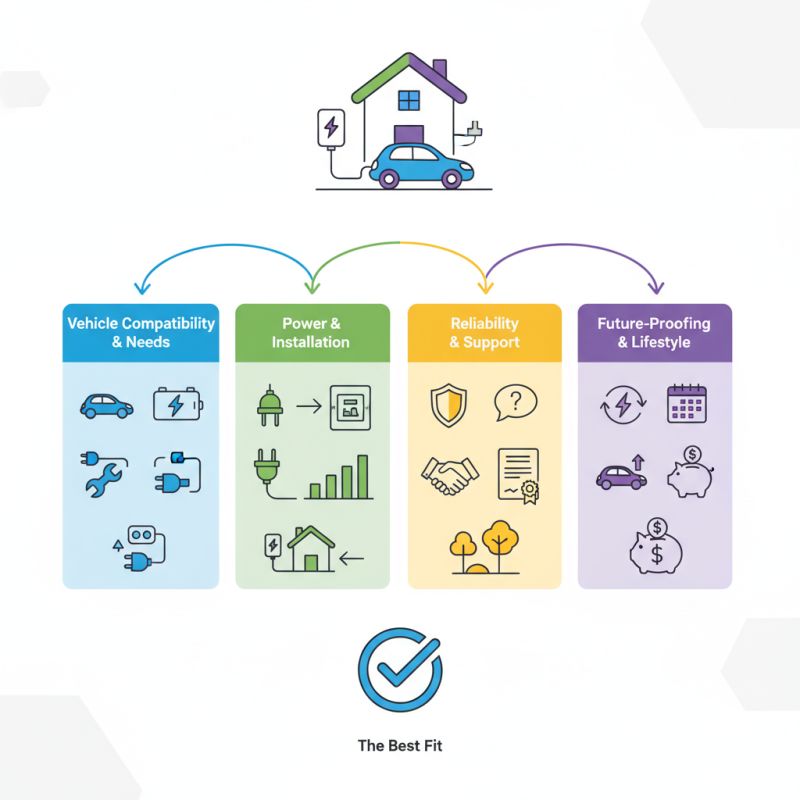
How to Choose the Best Home EV Station for Your Needs?

Understand Your Electric Vehicle Charging Needs

Understanding your electric vehicle charging needs is critical. Assess how often you drive. On average, EV owners travel about 30 miles daily. If that’s your norm, a Level 2 home charging station suffices. These chargers typically offer 10-40 miles of range per hour. This range could meet daily needs for most users.

Consider your charging habits. Will you charge overnight? Or during the day? An overnight charge can fully replenish your vehicle for the next day. According to the U.S. Department of Energy, over 80% of EV charging occurs at home. A reliable home station can save time and add convenience.

Evaluate your power supply. Verify if your home supports the required amperage for a stronger charger. Many homes can handle Level 2 charging, which requires a 240V outlet. Yet some older homes may need electrical upgrades. This potential requirement could alter your decision. It’s worthwhile to consult with a professional electrician for specific needs.

Evaluate Home Electrical Capacity for EV Charging

When choosing a home EV charging station, understanding your home electrical capacity is crucial. The average American home has a capacity of around 200 amps, which can support EV charging. However, this capacity may not be sufficient when combined with other household demands. An EV charger typically requires 30 to 50 amps, especially for Level 2 charging. Evaluating your existing electrical system is essential to avoid tripping breakers or overloading circuits.

Consult a qualified electrician to assess your home’s electrical infrastructure. A professional can identify any upgrades needed for optimal performance. According to industry experts, about 40% of homes may require electrical panel upgrades to support EV charging. This percentage highlights the importance of ensuring your system can handle additional loads.

Assessing your power needs involves calculating the total demand of your home’s appliances. This analysis can reveal whether you need a dedicated circuit for your EV charger. In many cases, energy management solutions can help allocate power efficiently. Seeking guidance from an electrician can lead to informed decisions about your charging station setup. Ensuring reliability and safety is paramount when navigating these electrical nuances.

Compare Different Types of EV Charging Stations

When choosing a home EV station, consider the different types available. Level 1 chargers use standard household outlets and are usually slow. They take longer to charge, often requiring overnight charging. This option is ideal for those with limited driving needs. Level 2 chargers offer a faster solution. They can significantly reduce charging time, making them suitable for daily commuters. Installation requires a dedicated circuit, but the convenience is worth it.

DC fast chargers are another option. These provide rapid charging but are expensive and typically installed in commercial settings. Their high power means charging can occur in under an hour. Evaluating your charging habits is essential. Some need fast charging for busy days, while others may prioritize cost and installation ease.

Remember, the right choice depends on your lifestyle. If your home setup allows for a Level 2 charger, it might be a better long-term investment. Take your time analyzing your options, as this decision impacts daily life. Reflect on how often you drive and how quickly you need to charge. Each station has its pros and cons. Make an informed choice that fits your energy needs and lifestyle.

How to Choose the Best Home EV Station for Your Needs? - Compare Different Types of EV Charging Stations

Charging Station Type Charging Speed Installation Cost Home Range Compatibility Features
Level 1 Charger 2-5 miles/hour $300 - $600 All EVs No special features
Level 2 Charger 10-60 miles/hour $500 - $1,200 All EVs Smart features, Wi-Fi connectivity
DC Fast Charger 180-240 miles/hour $10,000 - $40,000 Limited to specific EVs Rapid charging
Portable Charger 2-10 miles/hour $200 - $500 All EVs Convenient for travel

Consider Installation Requirements and Costs

When choosing a home EV station, installation requirements and costs are critical factors. Understanding the electrical capacity of your home is essential. Most homes need a dedicated circuit for charging. According to the U.S. Department of Energy, Level 2 chargers typically require a 240-volt outlet. This can be a significant upgrade for older homes. The average cost for electrical work ranges from $250 to $1,500. This is an important investment to consider.

Installation costs can vary greatly. Some homeowners may need new wiring or a circuit breaker upgrade, which pushes costs higher. Reports indicate that installation can account for 30% to 50% of the total price of an EV charging station. Research by the Electric Power Research Institute suggests that users should budget between $1,000 and $2,500 for a complete installation. This includes the station and associated electrical upgrades.

Additionally, local permitting processes can add time and expense to your project. Ensure you understand these components before making a decision. Not every solution fits every home. Assess your needs carefully to avoid unpleasant surprises later. Always consult with a licensed electrician to evaluate your specific situation. This expert input can help you navigate the complexities of EV charging station installation.

Examine Features and Smart Technology Options

When considering a home EV station, smart technology features are essential. Many models now include Wi-Fi connectivity. This allows for remote access through an app. Users can monitor charging status in real-time. A report from the International Energy Agency states that smart chargers can reduce energy costs by 30%. This feature is crucial for improving efficiency and lowering expenses.

Apps often offer scheduling options. This allows users to charge during off-peak hours, taking advantage of lower rates. However, many users find these features complex and overwhelming. Ease of use is significant. Smart features should enhance the user experience, not complicate it. A study by Navigant Research indicates that 40% of EV owners express dissatisfaction with their charger’s usability.

Integration with home systems is another aspect. Compatibility with smart home devices can lead to seamless interactions. For example, a charger might sync with your thermostat. This can help optimize energy use across devices. Yet, not all chargers provide this capability. In some cases, users must navigate a learning curve to find suitable options. The need for thoughtful consideration is clear in this rapidly evolving landscape of home EV charging.