How to Choose Energy Efficient Windows for Your Home?
Choosing energy efficient windows for your home is crucial. According to energy expert John Smith, "The right windows can significantly cut energy costs." His insight reveals the importance of this decision. Energy efficient windows minimize heat loss during winter and reduce heat gain in summer.
Many homeowners overlook window choices when upgrading or building. However, selecting the right windows can provide long-term savings. For instance, double or triple-glazed windows offer better insulation compared to single-pane options. They enhance comfort while lowering energy bills.
It's worth noting that not all "energy efficient windows" meet the same standards. Some may claim efficiency but lack the performance to back it up. This inconsistency can confuse consumers. Reflecting on your choices is essential. Evaluate energy ratings and seek expert advice. Consider the long-term impact of your decision on your home and the environment.
Understanding Energy Efficiency Ratings for Windows
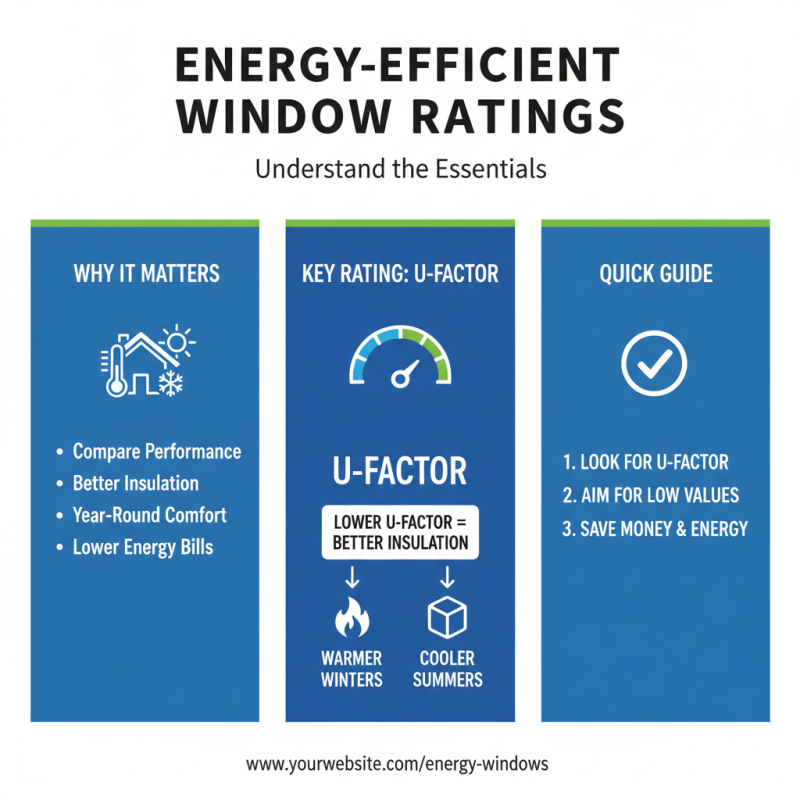
When selecting energy-efficient windows, understanding energy efficiency ratings is crucial. These ratings help you compare window performance. Look for the U-factor, which indicates insulation properties. Lower U-factor values mean better insulation, keeping your home warmer in winter and cooler in summer.
Consider the Solar Heat Gain Coefficient (SHGC). It measures how much heat from the sun enters your home. A lower SHGC is ideal if you live in a hot climate. However, in cooler areas, you may want a higher rating to harness sunlight's warmth during winter.
Tips: Always ask for the NFRC label. It provides reliable ratings for windows. Don't forget to check the air leakage rating. Windows with lower air leakage prevent drafts. Choosing the right windows can significantly lower energy costs. Think about local climate when making your decision. It can save you money and increase comfort.
Key Features to Look for in Energy Efficient Windows
When selecting energy-efficient windows, consider specific features that enhance performance. Look for double or triple glazing. These layers trap air, providing better insulation. The space between the panes is often filled with inert gas, boosting thermal efficiency.
Pay attention to the window frame material. Vinyl and fiberglass typically offer superior energy performance. Wooden frames can be beautiful but may require frequent maintenance, which could reduce their long-term efficiency. Also, examine the window's U-factor. A lower U-factor indicates better insulation.
Don't overlook the importance of the solar heat gain coefficient (SHGC). It reflects how well the window blocks heat from sunlight. A lower SHGC can keep your home cooler. However, remember that too low an SHGC in colder climates might mean lost warmth. Balancing these features is essential for optimal energy efficiency.
The Role of Window Frames and Materials in Energy Efficiency
When choosing energy-efficient windows, the frame and material play a crucial role. Different materials offer varying levels of insulation. Wood frames provide excellent thermal resistance but require maintenance. Vinyl frames are popular for their low upkeep and decent insulation. Aluminum frames, while durable, may conduct heat and cold more readily.
The choice of frame can directly affect your home's energy performance. A poorly insulated frame can negate the benefits of high-efficiency glass. It’s essential to focus on the whole window unit, not just glass alone. Many homeowners overlook the impact of low-quality frames, leading to drafts and higher energy bills.
Reflecting on these options is vital. Choosing the right material isn’t just about aesthetics. It’s about long-term comfort and energy savings. Many people regret their window choices later, realizing the importance of proper insulation. Balancing style and function is tricky. Think critically about how each option meets your needs.
Energy Efficiency of Different Window Frame Materials
Comparing Double and Triple Glazing for Better Insulation
When choosing windows for your home, insulation is key. Double glazing and triple glazing offer different levels of energy efficiency. Double glazing consists of two panes of glass with a sealed space between them. This space helps trap air, reducing heat loss. It can significantly lower your energy bills. However, some might find the cost of installation to be higher than expected.
Triple glazing, on the other hand, adds a third pane of glass. This design can provide even better insulation, especially in colder climates. It minimizes drafts and can keep your home warmer. But, it is essential to consider whether the additional cost justifies the benefit. Some homeowners might feel overwhelmed by the price difference. It's worth reflecting on your climate and energy needs before making a choice.
Ventilation is crucial too. More layers of glass can mean less airflow. Consider how this affects indoor air quality. Maybe you prefer a balance of warmth and fresh air. Sometimes, over-insulating can create unintended consequences. Each home's needs are different, and that’s what makes this decision complex.
How to Choose Energy Efficient Windows for Your Home? - Comparing Double and Triple Glazing for Better Insulation
| Window Type |
Insulation Rating (U-value) |
Noise Reduction (dB) |
Energy Savings (% annually) |
Cost (approx. per square meter) |
| Double Glazing |
1.2 - 2.0 W/m²K |
28 - 32 |
10-20% |
$200 - $400 |
| Triple Glazing |
0.6 - 1.2 W/m²K |
32 - 38 |
20-30% |
$300 - $600 |
Evaluating the Cost-Benefit of Energy Efficient Windows in Long Term
When evaluating the cost-benefit of energy-efficient windows, consider the long-term savings. Higher initial costs may deter some homeowners. However, investing in these windows can reduce energy bills significantly. Proper insulation leads to lower heating and cooling costs. Over the years, these savings can add up.
Tips: Look for windows with a high Energy Star rating. Double or triple glazing can offer better insulation. Check U-factor ratings to ensure you're getting the best energy efficiency.
Installation also plays a crucial role. Even the best windows won't perform well if not installed correctly. Seek out professionals with experience in energy-efficient window installation. Remember, poorly installed windows can lead to air leaks.
Tips: A proper caulking and sealing are essential. Inspect your windows regularly for any signs of wear. Maintaining them helps preserve their efficiency.
In the end, investing in energy-efficient windows should align with your long-term financial goals. Think about how often you’d replace traditional windows due to drafts and damage. Consider the environment too; every little bit helps in reducing carbon footprints. It's worth a deeper reflection on what you value in your home.