Choosing home window installation services requires more than comparing the lowest estimate. A window affects indoor comfort, energy use, security, and the appearance of your home. The right installer should explain those connections clearly, not pressure you into a quick decision.
In my experience, a dependable company begins with a careful site assessment. The technician should inspect frame damage, wall conditions, moisture marks, and opening measurements. A rushed measurement can create expensive problems later. Ask how long the company has served your area and whether its installers have relevant training. Confirm licensing, insurance, manufacturer requirements, and warranty coverage before signing anything. Short answers are warning signs. A trustworthy professional welcomes detailed questions and explains unfamiliar terms in plain English.
Look at recent projects, not only polished website photos. Ask for references from homes similar to yours, especially older properties with uneven walls. A written estimate should identify window types, glass features, labor, disposal, possible repairs, and completion dates. It should also explain what happens if hidden damage appears. That detail matters.
I once underestimated how much trim work could change a project’s cost. It was a useful reminder. No checklist catches every surprise. Still, careful planning reduces uncertainty. Compare communication, workmanship, and after-installation support, not just price. The best home window installation service combines measured advice, documented experience, honest limitations, and respect for your home. That balance is often more valuable than a tempting discount.
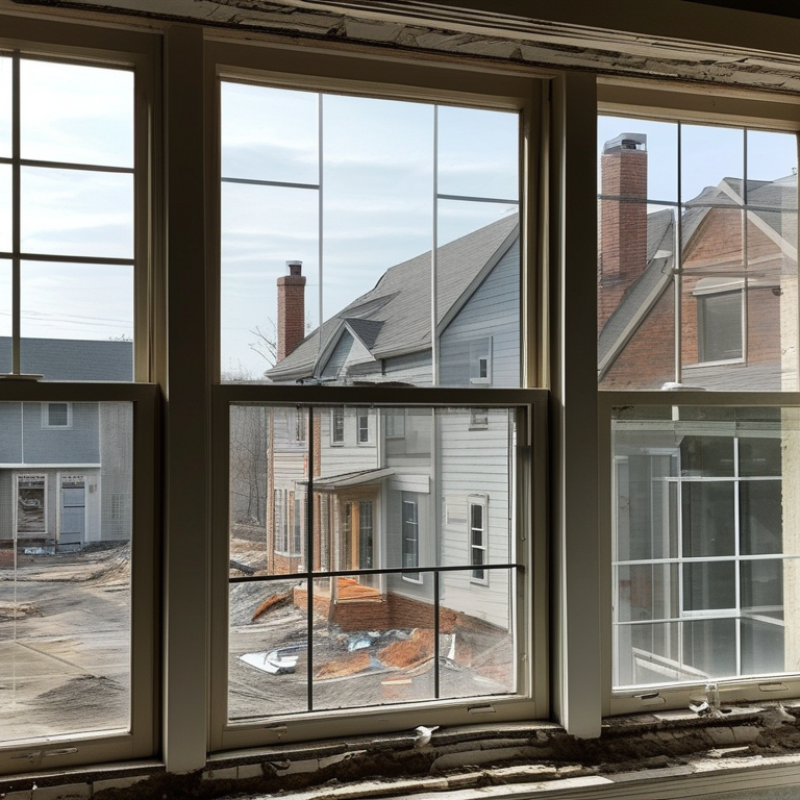
Start with the room, not the installer. Record each window’s width, height, opening direction, and frame condition. Check drafts, condensation, damaged sills, and difficult locks. A bedroom may also need an emergency escape opening. That requirement can affect the window type and installation method.
The U.S. Department of Energy reports that windows cause about 25–30% of residential heating and cooling energy use. Therefore, assess climate, window orientation, and indoor comfort before requesting quotes. The National Fenestration Rating Council label shows U-factor, solar heat gain coefficient, visible transmittance, and air leakage. Compare these values carefully. A low U-factor is not always ideal for every sunny room. My judgment would need adjustment after an on-site inspection.
Tips: Prepare a written project brief. Include window counts, target performance ratings, preferred materials, interior trim needs, disposal, ventilation, and completion dates. Ask installers to explain measurement tolerances and water-management details. Request itemized pricing, proof of insurance, relevant licensing, and recent project references. The U.S. Environmental Protection Agency also advises selecting properly rated products for local climate conditions. Do not rely on a quick phone estimate. Small errors can create visible gaps, water intrusion, or difficult operation.
A qualified window installer should provide current licensing, insurance, and relevant training records. Requirements vary by location, so verify them with your local authority. Ask how long the team has installed similar windows in homes like yours. Experience with older frames, uneven openings, and moisture damage can prevent expensive mistakes. Request recent customer references and inspect completed work when possible. A polished website is not proof.
Tips: Compare at least three written estimates. Check labor details, materials, cleanup, timelines, and warranty terms. Ask who handles permits and repairs if hidden damage appears. Clear answers usually reveal more than a low price. Keep every promise in writing.
Service coverage matters after installation. Confirm whether the installer serves your neighborhood and returns for adjustments. Ask about emergency support, follow-up inspections, and warranty response times. Some companies travel far but provide limited aftercare. That can become frustrating in winter, especially when a draft appears near the sill.
I have learned that installers who explain their process openly often produce more dependable results. Still, no contractor is perfect, and unclear assumptions can remain. Discuss ventilation, interior protection, disposal, and expected noise before work begins. Then compare practical reliability, not just impressive credentials.
Choosing home window installation services requires more than comparing the lowest quote. Ask whether the contractor recommends insert installation or full-frame replacement. Insert installation fits new windows inside existing frames and usually costs less. Full-frame work removes the frame, exposing hidden damage and allowing better insulation. However, it creates more labor, dust, and trim repairs. I would inspect the sill carefully before accepting either method.
Material choices affect comfort, maintenance, and price. Vinyl usually offers predictable costs and low maintenance. Wood provides a warmer appearance but needs regular sealing. Fiberglass resists expansion and contraction, while aluminum remains strong but can conduct heat. The U.S. Department of Energy reports that windows may cause 25% to 30% of residential heating and cooling energy use. Check the window’s U-factor and solar heat gain coefficient, not just the frame material.
Pricing should include removal, disposal, flashing, interior trim, permits, and repairs. The 2024 Cost vs. Value Report placed average national vinyl window replacement costs near $21,000, with about 68% recovered at resale. Local prices can differ sharply. Read warranties for glass, frames, labor, and transfer rules. A long product warranty may not cover poor installation. Request references, insurance evidence, and photos of comparable projects. Even careful comparisons have blind spots. I would leave room for unexpected rot or uneven walls.
| Installation Option | Typical Use | Installation Method | Common Frame Materials | Typical Project Time | Typical Installed Cost* | Typical Warranty Considerations | Best For |
|---|---|---|---|---|---|---|---|
| Replacement Insert | Existing frame is structurally sound and the opening size will remain unchanged. | The new window is fitted inside the existing frame; exterior and interior trim usually remain in place. | Vinyl, fiberglass, aluminum, or wood-clad frames. | About 1–3 hours per standard window. | Approximately $400–$1,200 per window. | Glass and frame coverage may be separate; labor coverage commonly ranges from 1 year to several years. | Lower disruption, faster installation, and preservation of existing trim. |
| Full-Frame Replacement | The existing frame, sill, trim, or surrounding structure is damaged, inefficient, or being redesigned. | The window, frame, stops, and often interior or exterior trim are removed before the opening is inspected and rebuilt. | Vinyl, fiberglass, aluminum, wood, or composite frames. | About 4–8 hours per window, depending on repairs and trim work. | Approximately $800–$2,500 per window. | Ask whether structural repairs, flashing, trim, glass, and labor are covered separately. | Older homes, water damage, rot, poor insulation, or changes to window size. |
| New-Construction Installation | New homes, additions, or projects where wall framing is exposed. | A window with an integral nailing flange is secured directly to the framed opening, then flashed and integrated with the weather barrier. | Vinyl, wood, fiberglass, aluminum, or composite frames. | About 2–5 hours per window during coordinated construction. | Approximately $500–$1,800 per window, excluding major wall construction. | Confirm coverage for installation, flashing, water penetration, frame, and insulated glass units. | New construction and major remodeling projects. |
| Historic or Custom Restoration | Period homes or projects requiring matching profiles, proportions, hardware, or glass characteristics. | Existing components may be repaired, reglazed, weatherstripped, or replaced with custom-sized units. | Primarily wood, with specialty composite or metal options where appropriate. | Several hours to multiple days per window. | Approximately $1,000–$4,000 or more per window. | Custom parts may have limited coverage; obtain written terms for finishes, glass, and workmanship. | Architecturally sensitive homes and preservation projects. |
| Frame Material | Strengths | Limitations | Maintenance | Relative Cost |
|---|---|---|---|---|
| Vinyl | Generally affordable, low maintenance, and resistant to moisture and corrosion. | Color and size options can be limited; expansion and contraction should be properly managed. | Low; clean periodically and inspect seals. | Low to moderate |
| Fiberglass | Strong, dimensionally stable, and suitable for energy-efficient glazing. | Usually costs more than standard vinyl and may have fewer local style options. | Low; occasional cleaning and seal inspection. | Moderate to high |
| Wood | Natural appearance, good insulating properties, and extensive customization potential. | Can absorb moisture and requires proper painting, staining, and maintenance. | Moderate to high; inspect and refinish as needed. | High |
| Aluminum | Slim sightlines, strong profiles, and good resistance to rot and insects. | Conducts heat more readily unless it includes an effective thermal break. | Low; check finishes, drainage, and seals. | Moderate |
| Composite | Can combine strength, moisture resistance, and a wood-like appearance. | Product composition and performance vary significantly by manufacturer and design. | Low to moderate. | Moderate to high |
| Evaluation Area | What to Request | Why It Matters | Warning Sign |
|---|---|---|---|
| Written Estimate | Itemized costs for windows, labor, trim, disposal, permits, flashing, and repairs. | Makes competing proposals easier to compare and reduces unexpected charges. | A single total with no scope of work or product specifications. |
| Installation Credentials | Proof of insurance, applicable licenses, references, and relevant installation experience. | Helps assess professionalism, liability protection, and technical competence. | Pressure to sign immediately or refusal to provide documentation. |
| Water Management | Details about sill pans, flashing, sealants, drainage paths, and integration with the weather barrier. | Improper water management is a common cause of leaks and concealed damage. | No explanation of flashing or drainage, especially for full-frame work. |
| Warranty Terms | Separate written terms for product, glass, labor, finish, water infiltration, and transferability. | A long product warranty may not cover installation defects or labor. | Verbal promises, exclusions hidden in fine print, or no labor coverage. |
| Energy Performance | U-factor, solar heat gain coefficient, air leakage, and visible transmittance values. | These values help match the window to the local climate and orientation. | Claims such as “energy-saving” without documented performance ratings. |
*Cost ranges are broad U.S. planning estimates for typical residential projects and may vary by window size, glazing, access, region, labor rates, permits, structural repairs, and finish work. Obtain multiple itemized, site-specific quotes before selecting an installer.
Choosing home window installation services requires more than comparing prices. Ask for a written estimate listing window sizes, materials, labor, disposal, permits, and possible wall repairs. An unusually low figure may hide important work. Request proof of insurance and relevant trade qualifications. Check recent local references, not only online ratings. I once saw a “complete” estimate exclude interior trim, creating an awkward extra charge. Details matter.
Before signing, read the contract beside the estimate. It should identify payment stages, start and completion dates, product specifications, warranty responsibilities, cancellation terms, and change procedures. Any verbal promise should appear in writing. Ask who handles damaged materials or weather delays. Do not accept vague phrases like “standard installation.” That wording can mean different things. A careful contractor should explain flashing, insulation, sealing, and cleanup in plain language. If explanations feel rushed, pause.
Scheduling affects comfort and safety. Confirm arrival windows, room access, furniture protection, ventilation, and daily cleanup. Children and pets need a separate safe area during removal. Workers should use stable ladders, fall protection where needed, eye protection, gloves, and dust controls. Ask how old glass will be carried out. Request a final inspection before the last payment. My own checklist once missed a small gap behind trim; daylight exposed it later. That mistake changed how I review finished work.
When choosing home window installation services, customer reviews deserve more than a quick star count. Read recent comments on several independent platforms. Look for details about arrival times, measurements, cleanup, and communication. Specific reviews feel more useful than vague praise. “The crew protected our hardwood floor” says more than “Great job.” Notice repeated complaints. One unhappy customer may face unusual circumstances. Five similar reports suggest a process problem. Reviews are useful, but they are not perfect evidence.
Strong installers usually receive comments about accurate fitting, weather sealing, and respectful work inside the home. Check whether reviewers mention drafts, water leaks, damaged trim, or difficult warranty conversations months later. A polished service may have excellent reviews, yet unanswered complaints still matter. Read the responses carefully. Do they explain the repair, accept responsibility, or blame the homeowner? That reaction reveals reliability. I would also ask for two recent local references and request permission to view completed work. Small details can expose weak workmanship.
Before signing, compare the written estimate with review patterns. Confirm window specifications, installation methods, cleanup, payment stages, and warranty coverage. Ask who performs the work and how unexpected frame damage is handled. Vague answers deserve caution. I have learned that a low price can become expensive when sealing is rushed. Still, reviews cannot replace professional judgment. Check qualifications, insurance, and compliance with local building requirements. Ask to see the installer’s measurement sheet before the order is finalized.