Understanding the Factors Influencing Your Window Replacement Estimate?
When considering a window replacement estimate, it's essential to understand the underlying factors that influence costs. According to industry expert John Smith, "Many homeowners overlook the details that can significantly affect their estimates." A comprehensive understanding of these details can lead to more accurate pricing and better decision-making.
The window replacement process involves various components. Factors such as window type, material quality, and installation complexity play crucial roles. For instance, energy-efficient windows might cost more upfront, but their long-term savings can be significant. Homeowners often fail to balance initial costs against future benefits, which can skew their estimates.
It's also important to note that geographical location affects pricing. Different regions may have varying labor costs and material availability. Homeowners should engage with multiple contractors to gain a realistic perspective on their window replacement estimate. By doing so, they can avoid common pitfalls that lead to unexpected expenses. This journey demands reflection on personal choices and market options.

Factors Affecting the Cost of Window Replacement Estimates
When considering a window replacement, several key factors affect your estimate. The type of windows you choose can greatly influence the cost. Vinyl windows tend to be less expensive than wood or fiberglass options. However, the style and energy efficiency ratings also play a significant role. Double-hung, casement, or specialty windows can have different price tags attached.
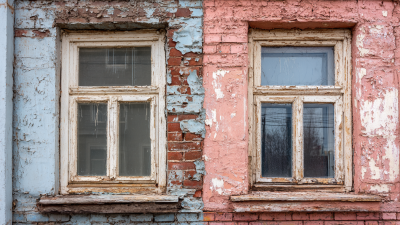
Installation costs are another critical factor. Experienced professionals charge varying rates based on their expertise. The complexity of the installation adds to this cost. For example, replacing a single window is straightforward, but working with older homes often involves unforeseen challenges, such as structural repairs. It’s essential to account for potential surprises in your budget.
Don't overlook the importance of local market conditions. Prices can fluctuate based on your location, demand, and labor availability. Also, permits may be required in some areas, which can add time and cost. Obtaining multiple estimates can help provide better clarity on pricing and quality of service. While this process can feel overwhelming, it’s crucial to research thoroughly before making a decision.
Ultimately, investing in good windows can lead to long-term savings in energy costs and increased home value.
Types of Windows and Their Impact on Replacement Costs
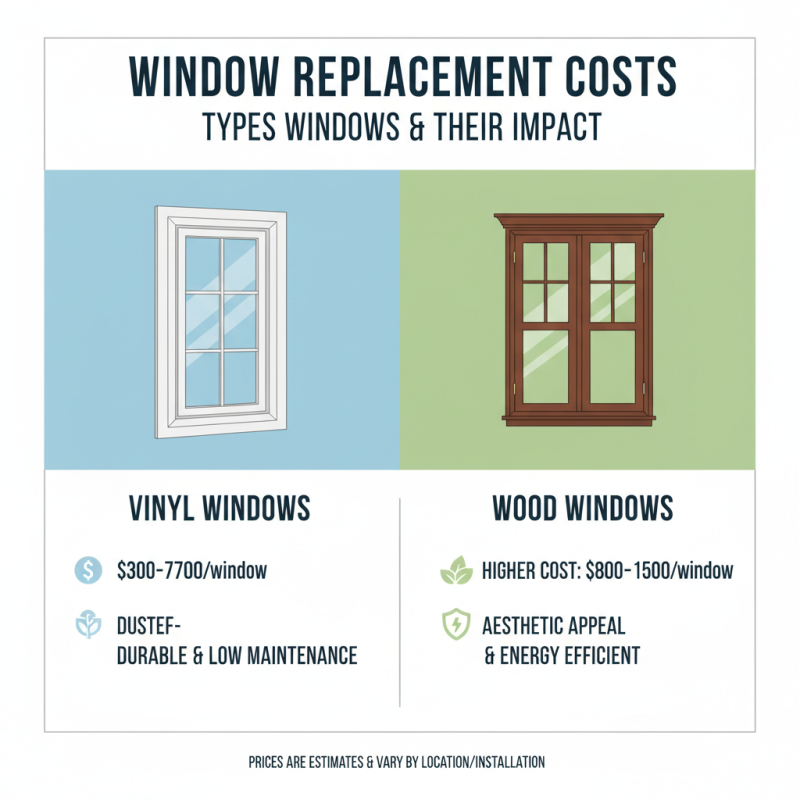
When considering window replacement, the type of windows plays a crucial role in the overall cost. Vinyl windows often present a cost-effective option, averaging between $300 to $700 per window. They offer durability and low maintenance, making them popular among homeowners. However, wood windows can significantly increase costs, ranging from $800 to $1,500 per window due to their aesthetic appeal and energy-efficient properties.
The choice of window style also influences replacement estimates. Double-hung windows, which allow for better ventilation, generally cost less than custom casement windows. According to the National Association of Realtors, energy-efficient windows can recover up to 70% of their cost upon resale. This data emphasizes that investing in such options can be worthwhile in the long run.
Additionally, factors like window size and installation complexity add to the expense. Larger or uniquely shaped windows require more materials and labor. Estimates can vary greatly, leading to uncertainty for homeowners. It’s essential to consult with professionals to get accurate quotes tailored to individual needs. Understanding these variables can help homeowners make informed decisions and manage their renovation budgets effectively.
The Role of Window Installation Complexity in Estimates
When considering window replacement, installation complexity plays a significant role in the final estimate. Complexities arise from various factors, including window size, shape, and the type of materials used. According to data from the National Association of Home Builders, unconventional window designs can increase labor costs by approximately 15-20%. This highlights the need for careful planning when selecting window features.
Additionally, the integration of new windows with existing structures often introduces challenges. For instance, older homes may require adjustments to the framing, leading to added expenses. A report by Remodeling magazine found that labor can account for nearly 25% of the total window replacement cost. Therefore, understanding these complexities is essential for homeowners seeking accurate estimates.
Relying solely on average estimates can be misleading. Homeowners should consider a detailed assessment of their property. Local climate and environmental conditions also impact installation complexity. Factors such as insulation needs and energy efficiency requirements can further complicate the process. Reflecting on these details can lead to a more reliable quote, ensuring that the project's scope aligns with both budget and expectations.
Regional Price Variations for Window Replacement Services
When considering window replacement, regional price variations heavily influence estimates. According to the National Association of Home Builders (NAHB), costs can differ significantly based on location. For example, in urban areas, labor costs are often higher due to demand. This means homeowners in cities might face estimates that are 20-30% more than those in rural settings.
Another factor is climate. In regions with extreme weather, more energy-efficient and durable windows might be necessary. The U.S. Department of Energy suggests that these materials can add 10-15% to the initial pricing, but they offer substantial long-term savings. However, while these windows are costly upfront, they can also lead to confusion and uncertainty. Homeowners must weigh short-term expenses against long-term benefits.
Lastly, the local labor market influences costs. In areas with a shortage of skilled labor, window installation prices may spike. This can create challenges for homeowners aiming for quality work within a budget. Regional differences create a complex landscape for window replacement, leading to a range of experiences and feelings among homeowners. These factors indicate that thorough research is essential to navigate the process effectively.
Additional Costs to Consider in Your Window Replacement Estimate
When planning a window replacement, several additional costs often emerge beyond the initial estimate. Understanding these factors can help you budget more accurately. For instance, structural modifications may be necessary if the new windows differ in size from the old ones. According to a recent study by the National Association of Home Builders, nearly 30% of homeowners encounter unexpected repairs during installation. These can increase total costs significantly.
Another consideration is the type of materials used. Vinyl windows, for example, might be cheaper upfront but may lead to higher costs if they require premature replacement. A report from the Department of Energy indicates that high-quality windows can enhance energy efficiency, potentially saving homeowners up to 15% on heating and cooling costs. If you're considering a more energy-efficient option, that initial investment could seem higher but could yield savings in the long term.
Additionally, don’t overlook installation fees. Professional installation is crucial for ensuring appropriate fitting and function. Poor installation can lead to air leaks, causing further expenses down the line. Experts recommend budgeting an additional 20% for labor costs related to window replacement projects. It’s clear that every aspect, from choice of window to installation quality, impacts the total cost.