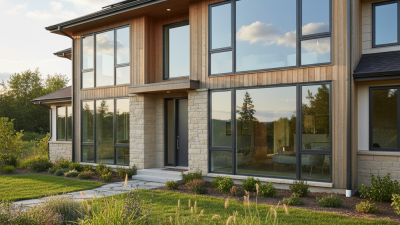
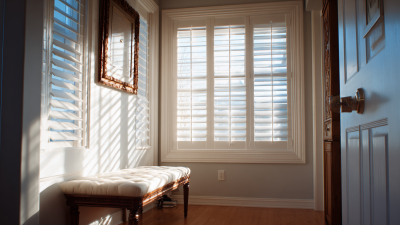
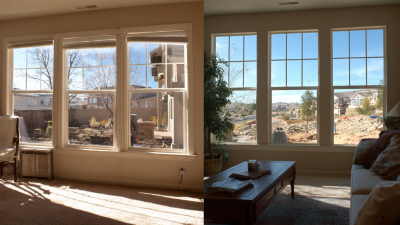
What is Fiberglass Windows and Why Choose Them?
Fiberglass windows have gained popularity in recent years. They offer durability and energy efficiency that traditional materials struggle to match. Homeowners increasingly seek ways to enhance their property's value and performance. This is where fiberglass windows shine.
These windows are made from composite materials that resist warping and rot. They can withstand harsh weather, making them ideal for various climates. Additionally, the energy-saving properties reduce heating and cooling costs. Many homeowners appreciate their low maintenance, reducing time spent on upkeep.
However, there are some considerations. The initial cost of fiberglass windows can be higher than that of vinyl or aluminum options. Some may also find the aesthetic options more limited. It's essential to weigh these factors against the long-term benefits. Ultimately, choosing fiberglass windows is a decision that requires careful thought and consideration of specific needs and circumstances.
What is Fiberglass and How It’s Used in Window Manufacturing
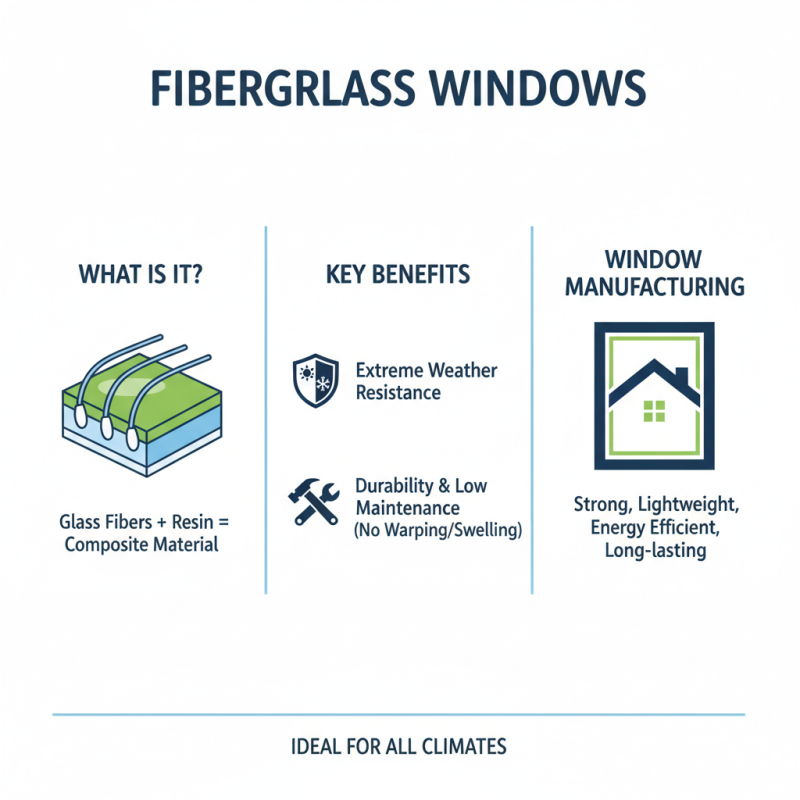
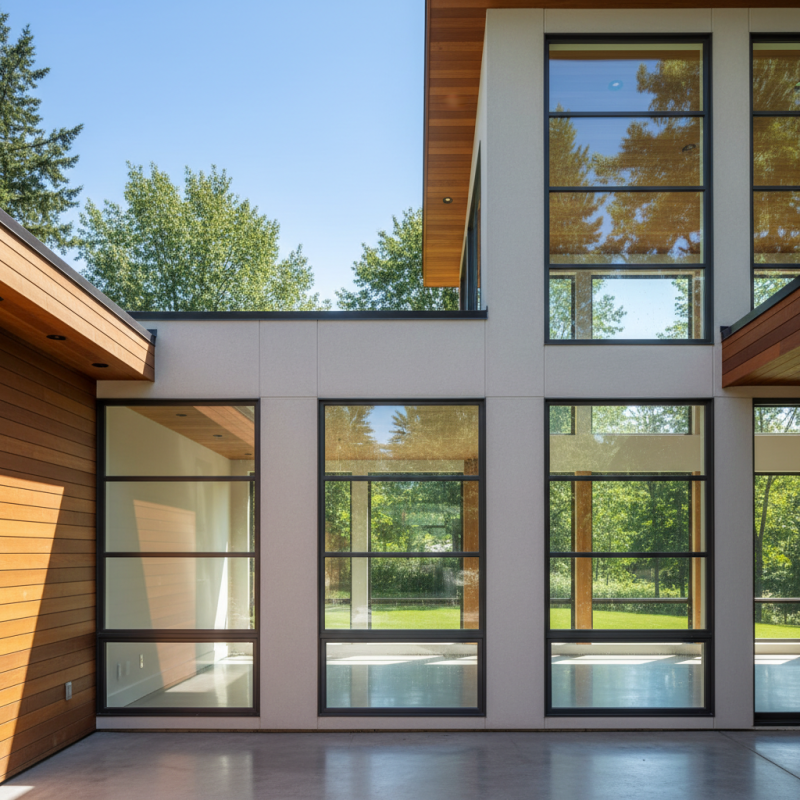
Fiberglass is a composite material made from glass fibers and resin. This combination creates a lightweight yet strong product. In window manufacturing, fiberglass proves to be an excellent choice. Its durability allows it to withstand extreme weather conditions, making it ideal for various climates. Unlike wood, fiberglass does not warp or swell over time. This quality can significantly reduce the need for frequent maintenance.
The production of fiberglass windows involves careful processes. Glass fibers are woven together and infused with resin to form a robust frame. This frame is then molded into the desired shape. The result is a window that not only looks good but also performs well. However, it can be more expensive than other materials. Some homeowners might hesitate due to the initial cost. The long-term savings on maintenance, however, often justify the investment.
Fiberglass windows are energy-efficient, helping to maintain indoor temperatures. They provide better insulation than many alternatives. The challenge lies in ensuring that the entire window installation process meets high standards. Any gaps in installation can compromise energy efficiency. While fiberglass windows have numerous benefits, the importance of proper installation cannot be overstated.
The Advantages of Choosing Fiberglass Windows Over Traditional Materials
Fiberglass windows have become a popular choice for homeowners looking for durable and efficient solutions. They provide excellent insulation, reducing energy bills significantly. Unlike traditional materials, fiberglass does not warp or crack easily. This makes them a reliable option for varying climates. They're also low maintenance, requiring minimal upkeep over the years.
When considering fiberglass windows, pay attention to the installation process. Proper installation is crucial for optimal performance. It's wise to hire a professional with experience in fiberglass. This ensures durability and longevity. The right contractor can enhance the benefits of these windows.
Another tip is to examine the energy ratings. High-efficiency models can provide better insulation. They can keep heat in during winter and out in summer. Evaluating energy performance can lead to long-term savings. Fiberglass windows are an investment that can pay off. Consider your specific needs to make an informed choice.
What is Fiberglass Windows and Why Choose Them? - The Advantages of Choosing Fiberglass Windows Over Traditional Materials
| Feature |
Fiberglass Windows |
Traditional Materials |
| Durability |
Highly resistant to warping, rotting, or corrosion |
Can warp or rot over time |
| Energy Efficiency |
Excellent insulation properties |
Varies by material, often less effective |
| Maintenance |
Low maintenance; only needs occasional cleaning |
May require regular painting or sealing |
| Aesthetic Options |
Available in various finishes and colors |
Limited design and color options |
| Cost |
Higher initial investment but long-term savings |
Lower upfront cost but higher maintenance costs |
Energy Efficiency: How Fiberglass Windows Save on Heating and Cooling Costs
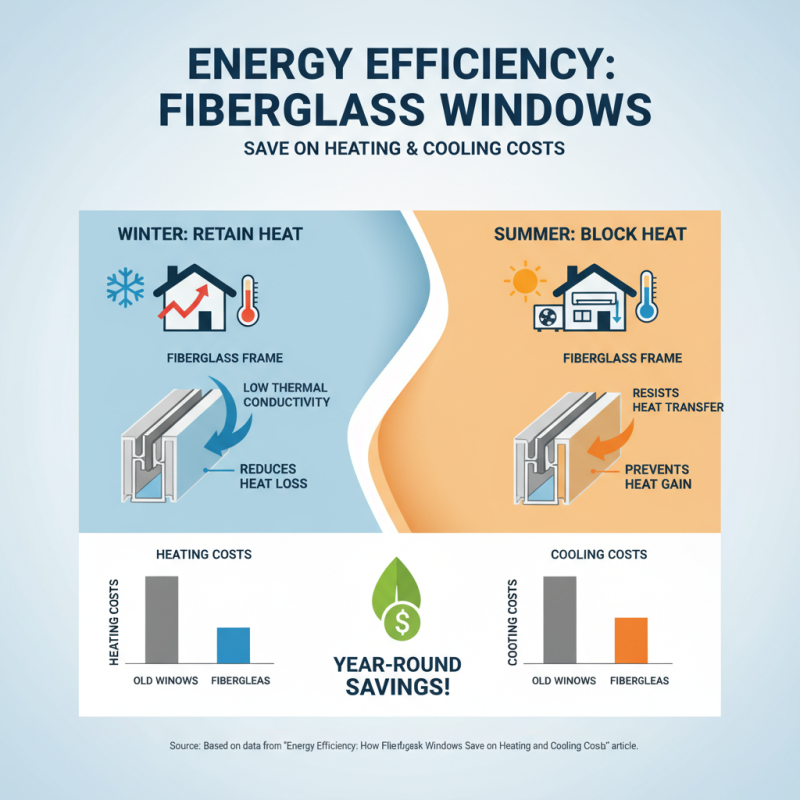
Fiberglass windows have become a popular choice for homeowners seeking energy efficiency. These windows offer excellent thermal performance due to their material properties. Fiberglass has a low thermal conductivity, which means it does not easily transfer heat. This can significantly reduce heating and cooling costs throughout the year.
In colder months, fiberglass windows keep warmth inside. During hot summers, they block external heat, maintaining a comfortable indoor temperature. Homeowners report lower energy bills after installation. However, some may find the initial investment higher than other materials. It's worth considering the long-term savings versus upfront costs. Investment in fiberglass often pays off over time through energy savings.
Additionally, fiberglass windows are durable and resistant to warping and cracking. They require less maintenance than traditional wooden frames, which can save time and money. While these windows may not be perfect, their advantages are significant. A thoughtful approach to home improvements can lead to lasting benefits.
Durability and Maintenance: The Longevity of Fiberglass Windows Explained
Fiberglass windows stand out for their remarkable durability. Unlike traditional materials, they resist warping, cracking, and fading. Research from the American Society for Testing and Materials shows that fiberglass can last over 50 years with minimal upkeep. This longevity translates into cost savings over time, as replacement and repairs are infrequent compared to wood or vinyl windows.
The maintenance of fiberglass windows is straightforward. A simple wash with soap and water suffices. There is no need for constant repainting or sealing, which can be a hassle with other materials. Regular maintenance can further extend their lifespan and performance. It’s essential to inspect seals and locks occasionally to ensure optimal function.
**Tips:** Ensure proper installation to maximize energy efficiency. Consult experts for the best practices. Consider local climate conditions, as extreme weather can impact window performance. Lastly, reflect on aesthetic preferences—fiberglass offers a variety of finishes and colors, enhancing both the appeal and durability of your home.
Durability and Maintenance Comparison of Different Window Materials
This chart illustrates the average lifespan of various window materials, highlighting the superior longevity of fiberglass windows compared to vinyl, wood, and aluminum. Fiberglass windows are designed for durability and low maintenance, making them a preferred choice for long-term investments.
Cost-Benefit Analysis: Pricing and Value of Fiberglass Windows in the Market
Fiberglass windows are gaining popularity in the construction market due to their excellent thermal performance and durability. According to a recent report by the Efficient Windows Collaborative, fiberglass windows can significantly lower energy costs by up to 30% when properly installed. This makes them a financially savvy choice for homeowners looking to enhance energy efficiency.
However, the initial investment for fiberglass windows can be higher than other materials, such as vinyl or wood. On average, homeowners may pay between $300 to $1,200 per window, depending on customization options. Despite the premium price, the longevity of fiberglass windows, often exceeding 30 years, provides excellent value. Their resistance to warping and fading, combined with minimal maintenance needs, contributes to their cost-effectiveness over time.
While most homeowners appreciate the advantages, some may find the installation process complex. Proper installation is crucial for achieving the desired thermal efficiency. If not installed correctly, results can be disappointing. Therefore, investing in professional installation is recommended. The cost of hiring a certified installer can range from $100 to $300 per window, but this investment ensures the fiberglass windows perform optimally. Balancing upfront costs with long-term savings is essential for making the right decision.