Top 10 Tips for Choosing Exterior Windows for Your Home?
When it comes to selecting exterior windows for your home, the choices can be overwhelming. According to Sarah Johnson, a leading expert in the exterior windows industry, “Choosing the right windows can transform your home’s look and energy efficiency.” Many homeowners find it challenging to balance aesthetics with functionality.
Selecting the proper exterior windows involves careful consideration. Factors such as style, material, and energy efficiency are crucial. Windows should complement your home’s architecture while providing durability. Many people overlook the details that impact long-term satisfaction. It’s easy to be swayed by trendy designs, but practicality should lead your choice.
You should also think about your climate. Certain materials perform better in specific conditions. Yet, some may not realize how poorly selected windows can affect energy bills. Reflecting on these aspects is essential. The right exterior windows not only enhance your home’s curb appeal but also improve its value and comfort.
Factors to Consider When Selecting Exterior Windows
Choosing exterior windows for your home involves several key factors that can significantly impact aesthetics, functionality, and energy efficiency. Start with material selection. Wood offers warmth and charm but requires more maintenance. Vinyl is low-maintenance and energy-efficient. Consider climate impacts as well. Windows in colder areas should be double-glazed for better insulation.
Another important factor is style. The window design should complement your home’s architecture. Think about color options too. They can enhance or clash with your exterior colors. While you might prefer a modern look, traditional styles may suit your home better.
Size matters as well; larger windows can brighten spaces but may disrupt the balance and privacy in certain areas. Consider the view outside. A beautiful landscape deserves larger windows, while a busy street might require smaller ones.
Material Options for Durability and Style
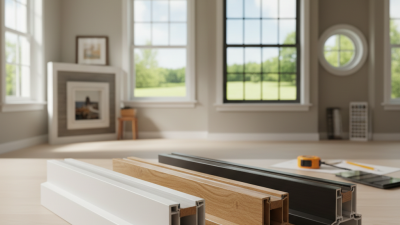
When selecting exterior windows for your home, one of the most important considerations is the material. Each option comes with distinct advantages and challenges. According to recent industry reports, vinyl windows account for over 35% of the market share due to their durability and low maintenance. However, they can sometimes lack the aesthetic appeal of wood.
Wooden windows offer warmth and classic beauty but can require more upkeep. Data shows that untreated wood may swell or warp over time. This can lead to costly repairs or replacements. If you opt for wood, consider treated options to enhance longevity.
Aluminum windows are also popular due to their strength and sleek design. They resist corrosion but may conduct heat, affecting energy efficiency. If energy savings are a priority, insulated options are available.
Tip: Assess your local climate before deciding. An understanding of your environment helps in choosing the right material. Consider the balance between durability and style. A well-informed choice now can lead to significant cost savings in the future.
Top 10 Tips for Choosing Exterior Windows for Your Home
Energy Efficiency Ratings and Their Importance
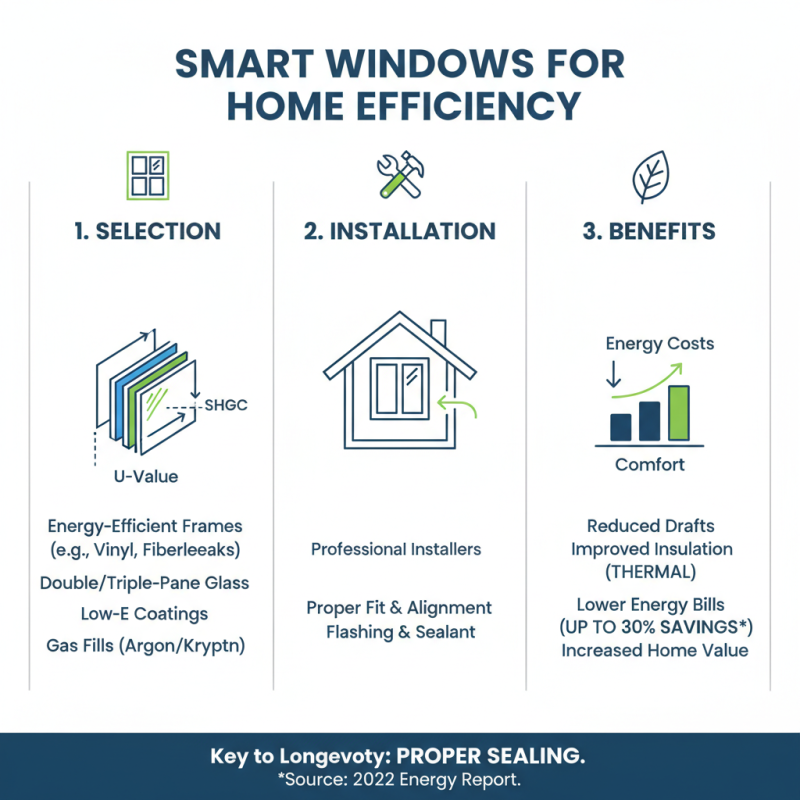
When selecting exterior windows, energy efficiency should be a primary consideration. Energy-efficient windows can significantly lower utility bills. According to the U.S. Department of Energy, windows account for about 25-30% of residential heating and cooling costs. Choosing the right windows can help reduce these costs while improving comfort.
Look for windows with a high Energy Star rating. A window’s rating indicates its ability to prevent heat transfer. According to the National Fenestration Rating Council, windows with low U-factors offer better insulation. This helps maintain indoor temperatures. In colder climates, double or triple-glazed windows can make a noticeable difference. They may seem pricier upfront but can yield savings over time.
However, not all energy-efficient options fit every home. The effectiveness varies by location and architectural style. Some homeowners may overlook how window placement affects overall energy use. This can lead to suboptimal choices. It’s crucial to evaluate specific needs and conduct a thorough assessment. Ignoring these details may result in a mismatch between windows and home design. This could lead to higher energy bills in the long run.
Top 10 Tips for Choosing Exterior Windows for Your Home
| Tip Number |
Tip |
Energy Efficiency Rating |
Importance |
| 1 |
Consider the window frame material |
U-Factor and Solar Heat Gain Coefficient |
Critical for insulation and energy cost savings |
| 2 |
Choose the right glazing |
Low-E coatings |
Reduces UV damage and improves energy efficiency |
| 3 |
Look for ENERGY STAR labels |
ENERGY STAR ratings |
Assures superior energy performance |
| 4 |
Assess the climate |
U-Factor considerations |
Enhances window performance based on location |
| 5 |
Check air leakage ratings |
Air leakage rating |
Minimizes drafts and energy loss |
| 6 |
Consider window orientation |
Sun exposure benefits |
Maximizes natural light and reduces heating costs |
| 7 |
Examine the warranty options |
Warranty length and coverage |
Indicates product quality and durability |
| 8 |
Assess custom needs |
Custom sizing and shapes |
Ensures perfect fit and aesthetics |
| 9 |
Understand installation factors |
Professional installation standards |
Critical for optimal performance and efficiency |
| 10 |
Consider aesthetic appeal |
Design and color options |
Enhances home value and curb appeal |
Styles and Designs to Complement Your Home's Aesthetics
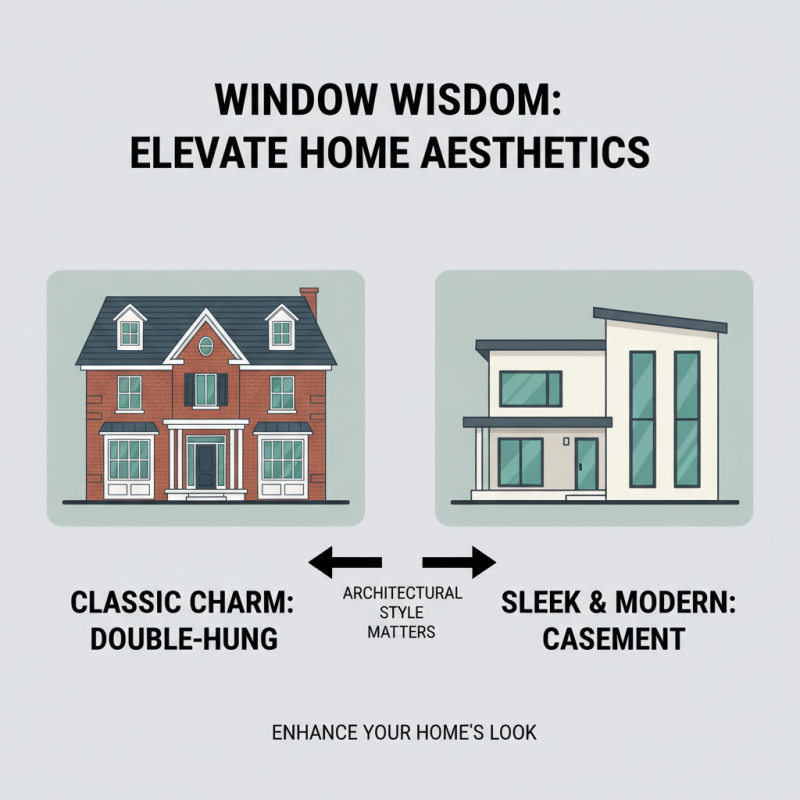
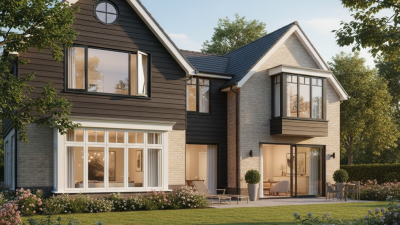
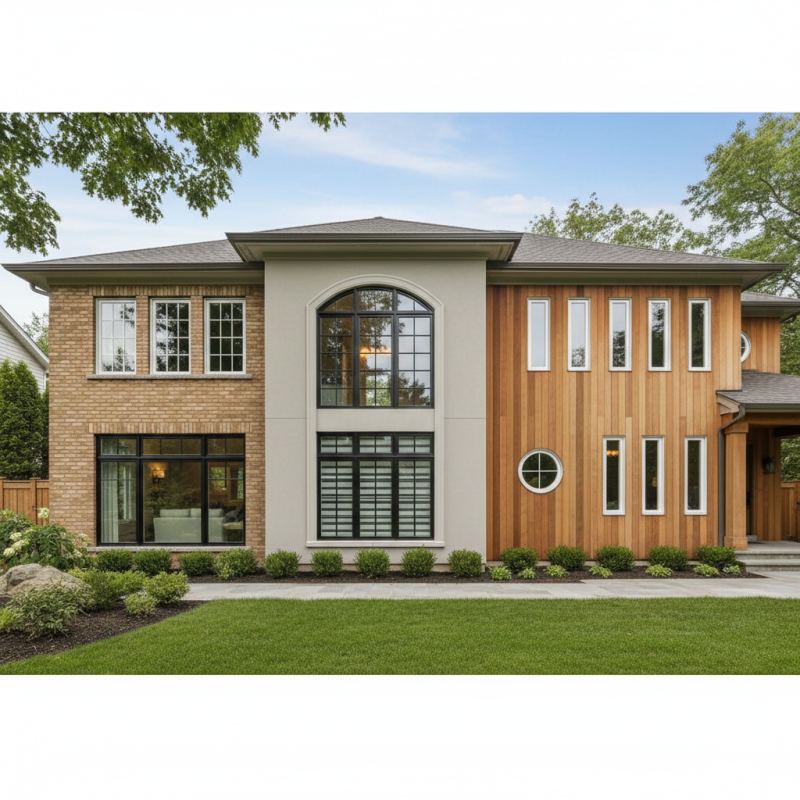
Choosing the right exterior windows is key to enhancing your home’s aesthetics. Different styles can dramatically change the look of your residence. For instance, double-hung windows offer a classic appeal, while modern casement windows provide a sleek finish. Both options can complement traditional or contemporary designs. Think about the architectural style of your home. It plays a crucial role in the selection process.
Consider the materials as well. Vinyl offers low maintenance. Wood, while beautiful, requires more upkeep. Each material comes with its pros and cons. This balance between style and practicality is vital. Oversized windows can provide stunning views but may look out of place in smaller homes. You must reflect on how each choice aligns with your vision. Each window can add character, but not every design suits every property. Aim for harmony with your home's overall aesthetic.