Top 10 Factors Influencing Cost of Windows Globally?
The cost of windows is influenced by numerous factors on a global scale. Experts in the industry, like Mark Thompson, emphasize the significance of understanding these elements. He states, "The cost of windows varies greatly due to several economic and environmental factors." Such insights highlight the complexity surrounding window pricing.
Geographical location plays a vital role in determining costs. Regions with high demand often see inflated prices. Additionally, local regulations can impact manufacturing and installation expenses. Market competition is also a critical factor. In areas with numerous suppliers, prices tend to be lower.
Furthermore, the materials used greatly affect the cost of windows. Energy-efficient options may have a higher initial price but offer long-term savings. Understanding these nuances is essential for consumers. Some people underestimate the impact of installation quality on price. It's necessary to reflect on all these aspects to make informed decisions regarding the cost of windows.

Global Material Costs and Their Impact on Window Prices
Global material costs play a significant role in determining the prices of windows. Factors such as labor, manufacturing processes, and raw materials directly impact the overall cost. For instance, the cost of glass and frame materials fluctuates due to supply chain dynamics. This variability can lead to unexpected price increases for consumers and contractors alike.
Tip: When budgeting for window installations, always account for potential material cost spikes. Consider getting quotes from multiple suppliers to ensure you are getting the best deal. This can help manage costs effectively.
Additionally, location is a crucial consideration. Regions with higher transportation fees may experience increased window prices. Also, local labor rates can vary, affecting overall installation costs. Installing energy-efficient windows can initially seem costly. However, they may reduce energy bills in the long run.
Tip: Research energy-efficient options thoroughly. Although they're pricier upfront, their long-term savings can be substantial. Be mindful of the long-term benefits you might gain over time.
Top 10 Factors Influencing Cost of Windows Globally
| Factor |
Impact Level (1-10) |
Description |
Estimated Cost Impact (%) |
| Raw Material Prices |
9 |
Prices of glass, frames, and insulation material. |
30 |
| Labor Costs |
8 |
Wages for the workforce involved in manufacturing and installation. |
25 |
| Energy Prices |
7 |
Costs associated with electricity and fuel used in production. |
15 |
| Supply Chain Disruptions |
8 |
Delays in material sourcing can inflate costs. |
20 |
| Regulatory Changes |
6 |
New standards can lead to increased compliance costs. |
10 |
| Technological Advancements |
6 |
Costs for integrating new technology into production. |
5 |
| Market Demand Fluctuations |
9 |
High demand periods can drive prices up. |
35 |
| Import Tariffs |
7 |
Tariffs on imported materials can raise prices. |
12 |
| Transportation Costs |
7 |
Fuel costs related to shipping materials. |
18 |
| Environmental Factors |
5 |
Weather and climate can affect production efficiency. |
8 |
Labor Costs in the Window Manufacturing Industry
Labor costs play a significant role in the window manufacturing industry. According to the Bureau of Labor Statistics, the average wage for workers in this sector is around $17 to $28 per hour, depending on skill levels and geographic location. These costs can vary greatly, influenced by regional economies and availability of skilled labor. In many high-demand areas, companies may need to increase wages to attract talent.
It's important to recognize that high labor costs can impact overall pricing strategies. A study by the National Association of Manufacturers indicates that labor accounts for approximately 20-30% of the total manufacturing costs. Companies often attempt to streamline operations, but decreased workforce might lead to quality concerns or delays. Striking a balance is crucial.
Tips: Assess local wage trends before venturing into new markets. Engage with local workforce programs to ensure a skilled labor pool is available. Regularly measure productivity versus wage costs to maintain profitability while ensuring high-quality production.
Technological Advancements Affecting Production Efficiency
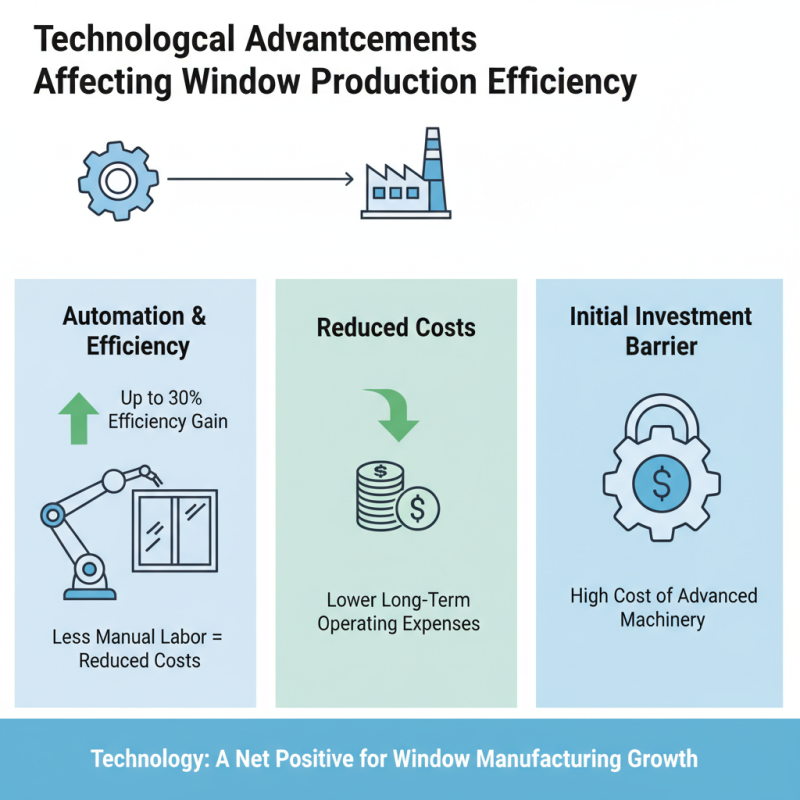
Advancements in technology significantly impact the cost of window production. Automation, for instance, has transformed manufacturing lines. Reports suggest that automation can improve production efficiency by up to 30%. Less manual labor reduces costs. However, investment in advanced machinery can be steep, creating initial barriers for some manufacturers.
Digital technology also plays a crucial role. The integration of software for supply chain management enhances transparency. A study indicated that digital tools can cut lead times by 25%. However, many companies still struggle with implementation challenges. Some lack appropriate training for their workforce. As a result, potential gains are often not fully realized.
Sustainability trends are on the rise. More manufacturers are adopting eco-friendly processes. Reports show that sustainable materials can lower long-term costs. Yet, sourcing these materials can be complicated. Packaging and transportation still pose challenges. This reflects a need for continuous improvement in sustainable practices. These factors illustrate that while technology drives efficiency, industry complexity creates ongoing dilemmas.
Supply Chain Factors Influencing Window Availability and Pricing
The global window market faces various supply chain challenges that significantly impact availability and pricing. Raw materials such as glass and frames are crucial. Disruptions in their supply can lead to higher costs and delays. Transportation issues also complicate the process. Ports may experience congestion, impacting shipment time.
Manufacturers need to stay informed about these supply chain factors. Having alternative suppliers can mitigate risks. Consider local sourcing to avoid global shipping challenges. This strategy can help reduce costs and ensure timely deliveries.
Tips for homeowners: Research local options. Understanding regional price fluctuations can lead to better decisions. When planning renovations, always allow extra time for window deliveries. This foresight can prevent frustrations later. Remember, in this unpredictable market, flexibility is essential.
Top 10 Factors Influencing Cost of Windows Globally
This chart illustrates the various factors that significantly impact the pricing of windows worldwide. Each factor is rated on a scale from 1 to 10 based on its influence level, where 10 indicates a high influence.
Market Demand Trends Shaping Global Window Costs
The demand for windows is influenced by various market trends that shape their costs globally. Home construction and renovation projects drive substantial demand. As real estate markets fluctuate, the desire for energy-efficient windows has surged. Consumers increasingly seek products that promise long-term savings on energy bills while enhancing comfort. This trend affects pricing significantly.
Another factor is the rise in environmental awareness. Homeowners and builders now prioritize sustainable materials. The shift towards eco-friendly products can sometimes increase costs. However, it also opens up a market for innovative solutions. Manufacturers are exploring alternatives, which can lead to price fluctuations based on availability and consumer interest.
Supply chain issues further complicate the situation. Transport disruptions and raw material shortages can spike prices unexpectedly. The global landscape is unpredictable, which can cause volatility. In this context, staying informed about market trends becomes essential for those looking to navigate window costs effectively. Understanding these dynamics can help consumers make informed decisions when selecting windows for their projects.