Top Home Windows Buyers Guide for Global Procurement Needs?
Choosing the right home windows is crucial for enhancing your living space. Home windows impact energy efficiency, aesthetics, and comfort. The global market offers a diverse array of options, yet navigating these choices can be daunting. Buyers face challenges in balancing quality and cost.
In an era where sustainability matters, many seek eco-friendly designs. It’s essential to consider materials, insulation, and long-term benefits. Not every window option will suit all homes. Homeowners often reflect on their needs, comfort, and budget. Customization may be required for unique architectural styles.
Stay informed about trends and technologies in home windows. Knowledge empowers buyers to make better decisions. Understanding warranty options and installation procedures can prevent future issues. This guide offers insights tailored to various procurement needs. Consider your environment, lifestyle, and preferences carefully before making a choice.

Understanding the Types of Home Windows for Global Buyers
Choosing the right windows for your home can be overwhelming. There are various types, each offering unique benefits.
Vinyl windows are popular for their affordability and low maintenance. They resist moisture and provide good insulation.
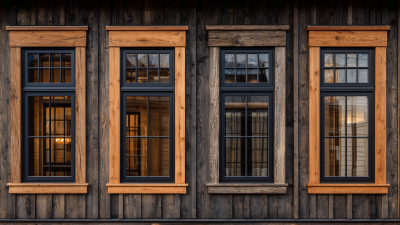
Wood windows, on the other hand, offer aesthetic appeal and can be painted to match any décor. However, they require more upkeep.
Another option is fiberglass windows.
These are known for their strength and energy efficiency. They don’t warp or bend, making them a reliable choice in various climates.
Aluminum windows are durable and lightweight but may lack insulation properties.
Understanding these differences can be crucial for global buyers who need to align functionality with local weather conditions.
When navigating the market, budget considerations are vital. Sometimes, the cheapest option isn't the best in the long run due to maintenance costs.
It's essential to weigh the initial price against durability and efficiency. Additionally, sourcing windows from different regions may present challenges.
Factors like shipping costs and installation expertise should not be overlooked.
Investing time in research can lead to better choices for your home windows.
Key Factors to Consider When Sourcing Home Windows Globally
When sourcing home windows globally, understanding material options is crucial. Different materials offer varying benefits. For example, vinyl windows provide energy efficiency and low maintenance. Wooden frames, while aesthetically pleasing, require more upkeep. Consider the climate of the installation location, as this can significantly impact durability and performance.
Quality control is another key factor. Assess manufacturers’ standards and certifications. Investigate their production processes. Reliable suppliers maintain strict quality checks. This ensures that the windows meet global standards. Transparency is vital here. Request third-party inspections to reaffirm confidence.
Price is often a driving factor but shouldn't overshadow quality. Cheap windows may lead to higher long-term costs due to repairs and replacements. Assess the total cost of ownership over time. Sometimes, investing a bit more upfront saves money in the long run. Reflection on initial pricing versus long-term value is necessary in any procurement process.
Top Home Windows Buyers Guide for Global Procurement Needs
Steps to Assess Quality and Performance of Windows Products
Evaluating window products requires a methodical approach to quality and performance.
Begin by examining the materials used in the construction of the windows. Look for reputable materials that are durable and suited for your climate.
This step is crucial as subpar materials can compromise energy efficiency and longevity.
Additionally, consider how the windows are designed. The design should facilitate ease of use while also providing essential features such as noise reduction and thermal insulation.
Next, pay attention to performance ratings. Check for standards like the National Fenestration Rating Council (NFRC) ratings.
These ratings help you gauge energy efficiency, condensation resistance, and air leakage.
While these figures are helpful, be cautious—they are not the sole indicators of quality.
It’s also essential to hear from current users. Reviews and testimonials can offer insights that ratings alone may miss.
Users might mention issues that require reflection, such as installation challenges or unexpected maintenance needs.
Finally, don’t overlook warranties and customer service. A solid warranty reflects the manufacturer’s confidence in their product.
However, a lengthy warranty should prompt further questions about quality control and support.
A good warranty can’t make up for poor product performance.
Gathering these insights transforms your purchasing process and helps you choose windows that truly meet your needs.
Top Suppliers and Manufacturers in the Home Windows Industry
When considering home windows, sourcing from reputable suppliers is crucial. The home windows industry is diverse, with many manufacturers offering various options. It's essential to understand the different materials, styles, and energy efficiency ratings available. Buyers need to assess their specific requirements. This will guide them toward the right choice that fits their budget and design preferences.
Supplier selection is often daunting. Many manufacturers promise quality, but not all deliver. Research is vital. Look for suppliers with proven track records. Verify their certifications and customer reviews. This step can save buyers from future headaches caused by subpar products. Engage in conversations with industry experts. Their insights can provide clarity on navigating complex procurement needs.
Many suppliers can offer innovative designs and sustainable materials. However, there's a risk in falling for trends without considering long-term performance. It's worth pondering the lifespan and maintenance of each option. Is the aesthetic worth the potentially higher costs? Asking these questions can lead to more informed decisions. In an industry rife with choices, clarity and careful evaluation can lead to satisfying outcomes.
Navigating International Regulations and Standards for Home Windows
Navigating international regulations and standards for home windows is essential for buyers in a global market. Different countries have unique safety and energy efficiency requirements. For instance, the European Union enforces strict guidelines on thermal performance. Ensuring compliance can be challenging, particularly due to the varying documentation needed for certification.
Understanding these standards requires expert knowledge. Buyers should prioritize working with manufacturers who have a global presence and experience in meeting diverse regulations. It’s wise to conduct thorough research on local laws and consult with industry experts. Missteps in compliance can lead to delays and increased costs.
Even seasoned buyers can overlook critical details. A new regulation might emerge or existing standards may change. Regularly reviewing knowledge in the field is beneficial. Engaging with professional networks and attending industry seminars can enhance understanding. Keeping updated is not just beneficial; it's crucial for success in procurement.