How to Calculate Window Replacement Cost Estimator Guide?
When considering a home renovation project, understanding costs is crucial. One of the key expenses is window replacement. Homeowners often seek a reliable window replacement cost estimator to gauge potential expenses. This guide will delve into the factors that determine costs and offer practical tips.
The window replacement cost estimator takes into account several elements. These include window size, type, and installation complexities. A standard double-hung window may cost differently than a custom bay window. Additional costs arise from the necessity of repairs or upgrades to framing. Knowing this can help you plan effectively.
While estimates can provide a general idea, actual costs can vary. Homeowners might overlook hidden expenses. For example, labor costs can fluctuate based on the contractor's experience. It's essential to account for these variables when budgeting. By doing so, you gain better control over your project's financial aspects.

Understanding the Factors Influencing Window Replacement Costs
When considering window replacement, several factors influence costs. Material choice plays a significant role. Vinyl windows often cost between $300 to $800 per unit, while wood windows can range from $800 to $1,500. Labor costs also contribute to the total expense, averaging around $100 to $150 per hour. This often varies by region and complexity of the installation.
The size of the windows impacts pricing as well. Standard sizes are more affordable, but custom sizes can increase costs significantly. A recent industry report noted that custom windows can add 20% to 40% more to the overall price. Energy efficiency features are another consideration. Investing in double or triple-pane windows may raise initial costs but can lead to savings in heating and cooling bills over time. Studies show these upgrades can save homeowners up to 30% on energy costs annually.
Location and home structure also matter. Homes in urban areas might face higher labor charges. Additionally, challenges like old frame removal can add unexpected labor costs. There is room for reflection on the potential return on investment from energy-efficient options. While the upfront cost can be daunting, the long-term savings may make it worthwhile. Balancing initial expenditure with future gains is essential for homeowners.
Assessing Different Types of Windows and Their Cost Implications
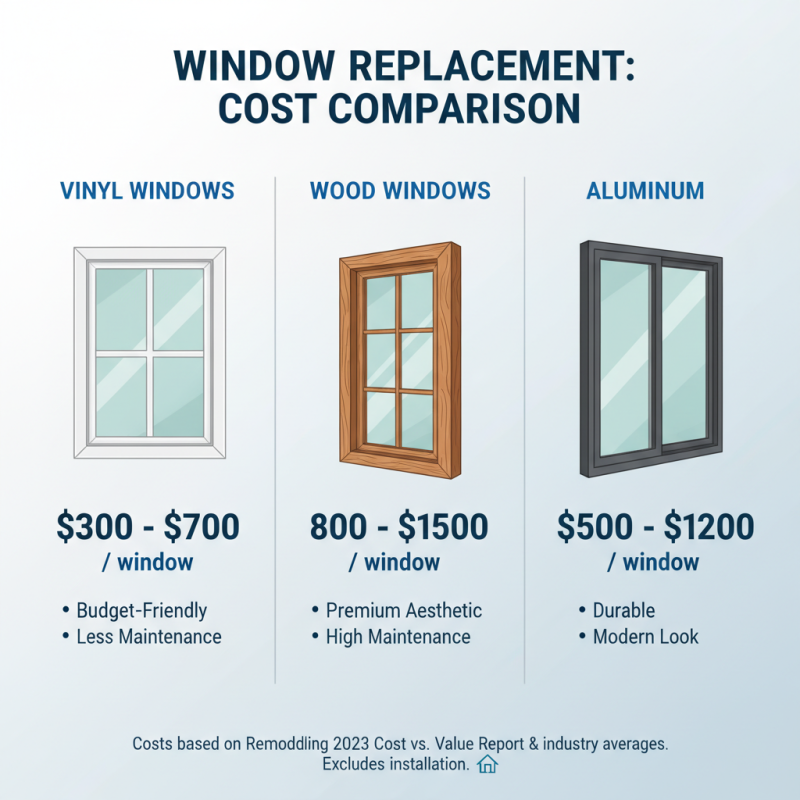
When assessing different types of windows, it is essential to understand their cost implications. The most common choices include vinyl, wood, and aluminum. According to the Remodeling 2023 Cost vs. Value Report, vinyl windows can range from $300 to $700 each. They are generally budget-friendly but may lack the aesthetic appeal of wood. Wood windows, while beautiful, can cost between $800 and $1,500 each due to their high maintenance needs.
Aluminum windows fall in between, typically around $500 to $1,000 per unit. They are durable but may not offer the best insulation. A report by the National Association of Realtors suggests that homeowners can expect about a 70% return on investment for window replacements. This figure varies by window type and installation quality. It's crucial to weigh aesthetics against durability and maintenance costs. Ignoring these aspects can lead to regrets later. A thorough assessment helps ensure a more satisfying choice.
Calculating Labor Costs for Window Installation and Replacement
Replacing windows is a big investment. Calculating labor costs can be tricky. Industry reports suggest that labor accounts for 30-50% of total window replacement costs. Factors like window size and installation complexity influence this percentage. A simple project might cost less, while custom windows add up.
Tip: Always get multiple quotes. This helps you gauge what fair pricing looks like. You could find a wide range of estimates. Compare details carefully. Don't just go for the lowest quote. Consider experience and qualifications too.
Labor rates vary greatly by region. Urban areas usually have higher wages than rural spots. Make note of this when budgeting for your project. Remember, cheaper labor doesn’t always mean better value. It might translate into higher long-term costs. Do your research and choose wisely for your window installation.
How to Calculate Window Replacement Cost Estimator Guide?
| Window Type |
Average Cost per Window ($) |
Labor Cost ($) |
Total Estimated Cost ($) |
| Single-Hung Window |
200 |
100 |
300 |
| Double-Hung Window |
300 |
150 |
450 |
| Casement Window |
350 |
175 |
525 |
| Sliding Window |
400 |
200 |
600 |
| Picture Window |
500 |
250 |
750 |
| Awning Window |
450 |
225 |
675 |
Estimating Additional Expenses: Permits, Materials, and Disposal
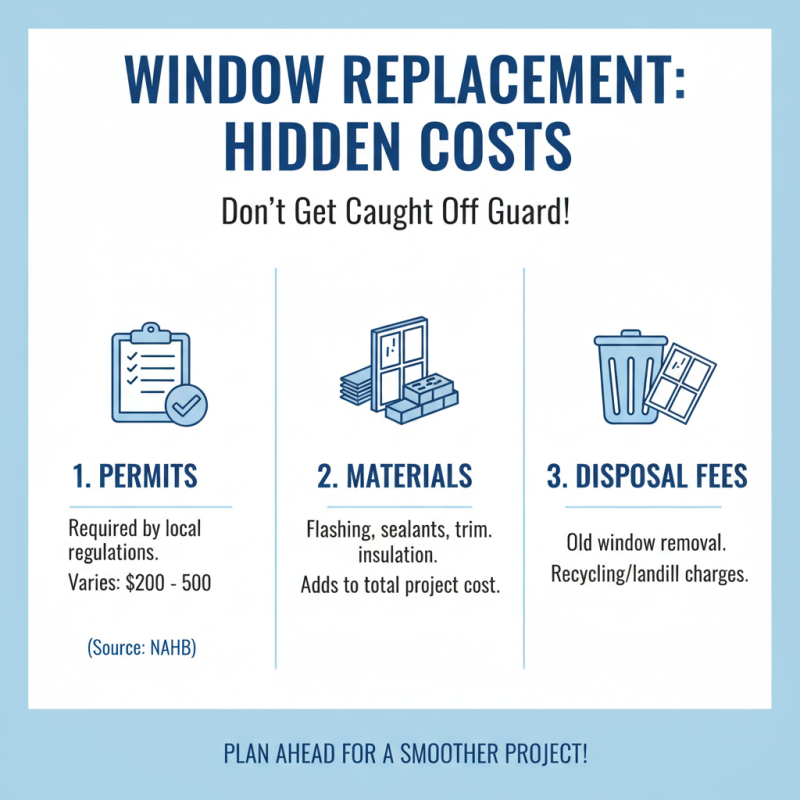
When replacing windows, it’s essential to consider additional expenses. These costs often catch homeowners off guard. They can include permits, materials, and disposal fees. According to the National Association of Home Builders, permits can range from $200 to $500, depending on local regulations.
Materials can significantly affect the overall budget. The average window replacement can cost between $300 and $1,000 per window, depending on your choice of materials. Vinyl windows can be more affordable, while wood options might increase costs. Remember, high-quality materials can save money on long-term energy bills. However, the initial investment could strain your budget.
Disposal fees are often overlooked. Depending on local waste regulations, removing old windows could cost an additional $50 to $150. Not all areas provide free disposal. It's vital to consult with your contractor about these fees. Factor in these potential expenses when planning your window replacement project. Adjusting your budget accordingly can prevent financial surprises down the road.
Comparing DIY vs. Professional Installation Costs for Window Replacement
When replacing windows, the choice between DIY and professional installation plays a significant role in cost. DIY projects can save on labor fees, but they come with hidden costs. Homeowners must invest in tools, materials, and their time. Mistakes can lead to costly setbacks, like improper sealing.
A professional installation typically offers peace of mind. Skilled installers have the experience to avoid common pitfalls. They often provide warranties that protect against future issues. However, hiring professionals can escalate the overall cost significantly. Rates vary based on location and project scope. Sometimes, this cost feels daunting and makes DIY appealing.
Still, consider the potential risks involved in DIY work. Poor installation might cause problems like drafty windows or water damage. These issues often require additional repairs, negating any initial savings. It's crucial to weigh both options carefully, keeping in mind your skill level and project complexity.
Window Replacement Cost Estimation: DIY vs. Professional Installation
This chart compares the estimated costs of replacing windows using DIY methods versus hiring professional installation. DIY typically ranges around $150, while professional installation can cost approximately $450.