2026 Top Windows Cost Guide for Global Buyers
As global markets evolve, understanding the cost of windows becomes crucial for buyers. According to a recent report from the Window and Door Manufacturers Association (WDMA), prices for window installations have surged by nearly 15% in the past year alone. This trend reflects rising material costs and supply chain challenges. Buyers must be aware of local and international economic factors influencing these prices.
Furthermore, data from Statista indicates that the window market is expected to reach a valuation of over $250 billion by 2026. Consumers face a complex landscape of options and pricing strategies. Navigating this environment requires careful consideration and expert insights. Buyers may find themselves grappling with questions about quality versus affordability.
In an industry marked by rapid changes, the right knowledge can empower buyers. Yet, not all resources provide the same level of transparency. It's essential to engage with reputable sources to get accurate cost assessments. Without due diligence, some buyers may fall victim to inflated prices or subpar products. Being informed means researching thoroughly and asking the right questions before making a purchase.

Overview of the Global Windows Market in 2026
The global windows market in 2026 is set to evolve significantly. Increased focus on energy efficiency and sustainability drives this progress. Countries are implementing stricter regulations, impacting material choices and manufacturing practices. Buyers must adapt to these changes to remain competitive.
Emerging markets play a crucial role. As urbanization accelerates, the demand for new construction rises. Traditional markets also seek renovations. Companies face challenges in sourcing eco-friendly materials. Additionally, fluctuating prices may affect budgets. It's essential for buyers to conduct thorough research during their purchasing decisions.
Another aspect to consider is the rise of smart windows. These innovative products enhance energy savings. However, the technology is still in its infancy and may require substantial investment. The cost-benefit analysis is vital. In this dynamic landscape, remaining informed is key to making wise choices. Understanding local trends and advancements will help global buyers navigate the complexities of the 2026 market.
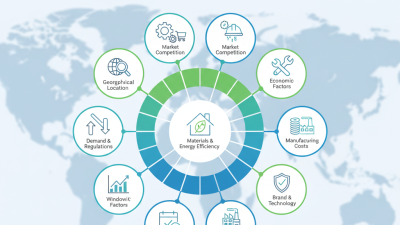
2026 Global Windows Market Overview
Key Factors Influencing Windows Pricing Worldwide
Understanding the key factors influencing windows pricing is essential for global buyers in 2026. Several elements drive the cost of windows, including materials, labor, and regional economic conditions. According to a recent report by the Global Window Association (2023), demand for energy-efficient windows has surged, impacting prices significantly. The cost of vinyl and fiberglass frames has risen by approximately 15% in the past two years. Additionally, labor shortages in the manufacturing sector have contributed to rising installation costs.
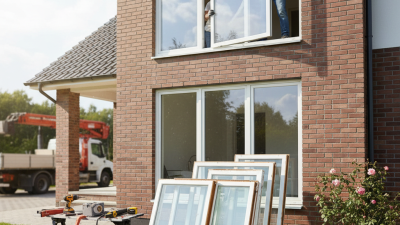
Installation complexities also affect pricing. Certain architectural designs require specialized windows that can increase costs. Reports indicate that these custom windows can cost up to 30% more than standard options. Buyers should consider local regulations and energy codes, which can vary greatly by region. For instance, the Midwest often requires enhanced thermal performance for windows due to climate considerations.
To save on costs, buyers should compare quotes from multiple suppliers. Understanding local material costs can also help in negotiations. Consider opting for standard window sizes when possible, as custom sizes can significantly raise expenses. Always verify the warranty and quality standards while evaluating options. Making an informed decision will lead to better investments in windows that meet both aesthetic and functional requirements.
2026 Top Windows Cost Guide for Global Buyers - Key Factors Influencing Windows Pricing Worldwide
| Region |
Window Type |
Average Price (USD) |
Key Influencing Factors |
| North America |
Vinyl |
$300 |
Material costs, labor availability, energy efficiency trends |
| Europe |
Wood |
$450 |
Sustainability considerations, regulations, aesthetics |
| Asia |
Aluminum |
$350 |
Customization options, import tariffs, climate impact |
| South America |
Composite |
$400 |
Cost of raw materials, local labor market, weather conditions |
| Africa |
PVC |
$275 |
Market demand, availability of materials, energy costs |
Regional Variations in Windows Costs and Features
When considering windows for any global market, costs can vary greatly based on regional characteristics. In North America, for example, the preference leans towards energy-efficient designs. This is influenced by the climate, which often requires excellent insulation. The cost of materials can be higher due to stringent code requirements. Homeowners frequently invest in double-glazed windows, which, while pricier upfront, offer significant long-term savings.
In Europe, the situation differs. There is a strong emphasis on aesthetics and historical accuracy. Regions may require windows that fit specific architectural styles. The average cost reflects this need for customization. Buyers may find themselves paying more for unique features, such as arched designs or custom frames. The challenge is balancing cost and design while ensuring compliance with local regulations.
Asia showcases yet another variation in pricing and features. Markets here often favor cost-effectiveness, leading to a rising trend of prefabricated options. However, some luxury segments focus on high-tech features, which can skyrocket costs. Navigating these differences requires a keen understanding of both local culture and economics. It’s a complex landscape that demands careful consideration.
Comparison of Different Window Materials and Their Costs
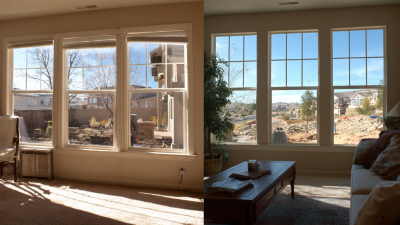
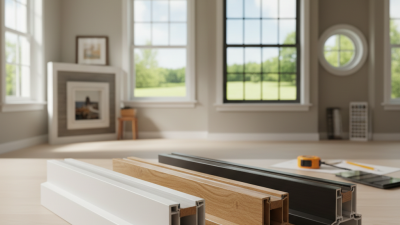
When choosing window materials, buyers often face significant decisions. Each type of material comes with its unique benefits and costs. For instance, vinyl windows are typically less expensive than wood and have lower maintenance requirements. However, they may not match the aesthetic appeal of traditional wooden frames.
Aluminum windows also offer durability and a modern look. Their cost often falls between vinyl and wood. Steel windows, while strong, can be pricier and require regular maintenance to prevent corrosion. The environmental impact of these materials is another factor to consider. For eco-conscious buyers, sustainable options could provide lasting advantages, though often at a higher initial cost.
Understanding the long-term benefits is crucial. Often, cheaper materials lead to higher replacement costs down the line. Not all options fit every style or budget. It is important to weigh aesthetics against functionality. Ultimately, buyers should evaluate their priorities, balancing upfront costs with potential savings over time. Making an informed decision can significantly enhance the home’s comfort and value.
Future Trends in Windows Pricing and Consumer Preferences
As we approach 2026, the window market is evolving. Buyers are becoming more demanding, seeking better pricing and quality. Trends indicate that consumers want energy-efficient options. They also prefer sustainable materials. These choices reflect a growing awareness of environmental impact. The interest in green products is rising sharply.
Moreover, technological advancements are shaping pricing strategies. Smart windows with climate control features are gaining traction. However, integrating such technologies often comes at a premium price. This shift indicates a balance between cost and innovation. Many buyers still hesitate due to this higher initial investment.
Market research shows that aesthetic appeal remains significant. Consumers are influenced by design trends. They want windows that enhance home value and style. Interestingly, there is a divide in preferences. Some prioritize functionality over looks, while others seek style first. This divergence may impact pricing structures in the future. Understanding these nuances is essential for both buyers and manufacturers.