Choosing among the 10 Best Vinyl Windows for Energy Efficiency requires more than comparing attractive frames and advertised savings. A window may look impressive in a showroom, yet perform poorly beside a cold, drafty wall. The details matter: U-factor, solar heat gain coefficient, air leakage, low-E glass, warm-edge spacers, and insulated frame chambers. NFRC labels can help homeowners compare these measurements consistently. Still, laboratory numbers do not tell the entire story.
Building-performance educator Matt Risinger puts the installation issue plainly: “The best window is the one that is installed correctly.” That advice deserves attention. Even high-performing vinyl windows can lose efficiency through gaps around the frame, compressed insulation, or poorly sealed flashing. A careful installer should check rough openings, drainage paths, shims, and interior air seals. Small errors become noticeable on a windy January evening.
There is no universal winner. Climate, wall orientation, window size, and household heating patterns change the decision. A low U-factor may matter most in a cold region, while carefully selected solar control glass can reduce summer cooling loads. Homeowners should also consider condensation resistance, warranty coverage, frame durability, and repair support. Price alone misleads.
This guide evaluates leading vinyl windows through those practical criteria. It also acknowledges an uncomfortable truth: energy performance can vary between testing and real homes. The strongest choice combines credible ratings, suitable glass, solid construction, and skilled installation. That combination is less flashy, but usually more dependable.
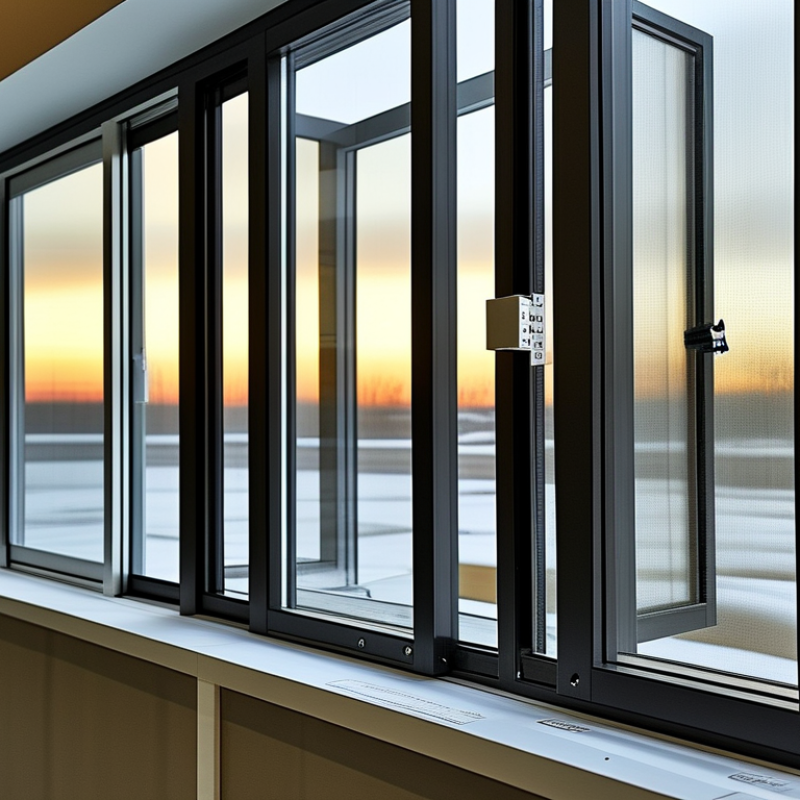
Vinyl windows become energy efficient through a combination of frame design, glass technology, and accurate installation. Multi-chambered frames reduce heat movement through the vinyl. Tightly welded corners also limit air leakage around the sash. The material resists moisture, so it does not swell like untreated wood.
Glass matters just as much.
Low-emissivity coatings reflect indoor heat during winter and block unwanted solar heat in summer. Argon-filled spaces add insulation between the panes. Warm-edge spacers can reduce heat loss around the glass perimeter. Look for tested U-factor, solar heat gain coefficient, and air-leakage ratings. Lower U-factor values usually indicate better insulation. However, numbers should match the local climate.
Installation remains easy to underestimate. A well-rated window can perform poorly when foam gaps, uneven shims, or weak flashing allow drafts. I have noticed cold air near the lower corners of poorly fitted units, even when the glass looked advanced. Vinyl can also expand and contract with temperature changes. Darker frames may show this more clearly. Quality varies.
Good measurements matter. Careful sealing matters more.
Reliable installers should explain test ratings, drainage paths, and maintenance requirements without making exaggerated promises.
A small indoor thermometer near the frame can reveal cold spots after installation. That simple check may expose a problem hidden by attractive trim.
When comparing vinyl windows, start with the NFRC label, not the product advertisement. U-factor measures heat transfer; lower values indicate better insulation. The 2023 U.S. energy-efficiency criteria set a maximum U-factor of 0.30 for many U.S. climate zones. Colder northern zones may require 0.27 or lower (U.S. EPA and DOE, ENERGY STAR Residential Windows Criteria).
Solar Heat Gain Coefficient, or SHGC, needs more careful judgment. A lower rating can reduce summer cooling demand, but excessive reduction may limit useful winter sunlight. The 2023 criteria generally identify 0.23 as a benchmark in warmer regions.
Climate matters. Orientation matters too. A south-facing window can behave differently from a shaded north-facing unit.
Air leakage is another practical test. Lower values help prevent drafts around the sash and frame. Visible condensation resistance also deserves attention, especially in humid rooms. Higher ratings suggest better resistance, but they do not guarantee a dry interior. NFRC certification evaluates these performance figures under standardized procedures, including U-factor, SHGC, visible transmittance, and air leakage (NFRC 100 and NFRC labeling guidance).
The highest visible transmittance is not always best. Bright glass can increase glare. Spacer quality, installation, and weather sealing can change real-world results. A technically excellent window may perform poorly after careless installation. That part is easy to underestimate.
The ten leading vinyl window choices usually share strong frames, insulated glass, and careful installation. Double-pane units with low-emissivity coatings reduce winter heat loss and summer heat gain. Triple-pane designs perform better in colder regions, although their weight and price can increase. Casement windows often seal tightly when closed, while fixed windows usually provide the lowest air leakage. Awning, single-hung, double-hung, sliding, bay, bow, and picture windows each suit different ventilation and daylight needs.
Performance depends on more than glass. Look for warm-edge spacers, insulated chambers, reinforced meeting rails, and durable weatherstripping. Independent testing should verify U-factor, solar heat gain coefficient, visible transmittance, and air leakage.
A lower U-factor generally helps in cold climates. Lower solar gain can help sunny rooms, but excessive reduction may limit useful winter warmth. Local climate matters greatly. A specification that works well in one home may disappoint elsewhere.
Tips: Compare certified ratings, not advertising claims. Inspect the frame corners and sash movement before purchase. Ask how installers seal the rough opening, especially around drainage paths. Foam alone is not a complete solution. I have seen excellent windows perform poorly because installers left small gaps near the sill. That mistake is easy to miss. It also reminds homeowners to review warranties, maintenance needs, and ventilation habits before choosing among the ten leading options.
Choosing among the 10 best vinyl windows for energy efficiency starts with your climate, not a glossy product label. In cold regions, prioritize a low U-factor, insulated frames, and warm-edge spacers. These features slow heat loss during freezing nights. In sunny climates, a lower solar heat gain coefficient can reduce afternoon heat entering through large windows. Coastal areas need durable hardware and careful protection from moisture. Even excellent glass performs poorly when its rating does not fit local weather.
Installation can change the result dramatically. A small gap around the frame may create drafts, condensation, and uncomfortable cold spots. Experienced installers check the opening, square the frame, and use compatible flashing before sealing the perimeter. They should also inspect the wall condition, not simply cover existing damage. During home assessments, I have seen expensive windows underperform because foam was applied unevenly. That mistake is easy to miss. It is also frustratingly common.
Tips
Compare U-factor, SHGC, and air-leakage ratings together. Ask for climate-specific recommendations. Check every corner for level and square. Seal carefully around the frame. Recheck the window after the first heavy rain. A perfect installation is difficult, but careful inspection prevents many avoidable losses.
How to Choose the Right Vinyl Windows for Your Home
Choosing energy-efficient vinyl windows starts with your home, not a popularity list. Study the room’s direction, local climate, and existing frame condition. South-facing glass may need a lower solar heat gain coefficient to reduce summer heat. In colder regions, a lower U-factor usually supports better insulation. Check the National Fenestration Rating Council label for tested performance, including U-factor, solar heat gain coefficient, and air leakage.
Glass design matters. Double glazing can suit moderate climates, while triple glazing may help in colder areas. Low-emissivity coatings reduce heat transfer without making the room feel dark. Warm-edge spacers can limit heat loss around the glass. Look closely at the frame corners, drainage paths, and locking points. Poor construction can weaken good glass performance.
Installation deserves equal attention. Measure the opening carefully, and inspect the wall for moisture before ordering. A narrow gap filled with suitable insulation can improve comfort, but excessive foam may distort the frame. Ask the installer how flashing and sill protection will manage rain.
I once focused too heavily on thermal ratings and overlooked afternoon glare. That was a useful mistake.
Energy savings also depend on shading, ventilation, and sealed joints. Compare the warranty, maintenance needs, and verified test data. The cheapest window may become expensive when drafts, condensation, or difficult repairs appear later.